
U.S. Obesity Statistics 2026: Rates by State, Age, and Demographics

U.S. Obesity Statistics 2026: Rates by State, Age, and Demographics

Last updated: August 2026

Obesity remains one of the most important public health challenges in the United States. The latest available CDC state-level data show that in 2024, every U.S. state and territory covered by the CDC had an adult obesity prevalence of at least 25%. (CDC)

This guide examines the latest available U.S. obesity statistics, including differences by state, region, age, race and ethnicity, and education level.

Key U.S. Obesity Statistics

According to the latest CDC data:

  • At least 25% of adults had obesity in every U.S. state and territory covered by the CDC’s 2024 maps.
  • Mississippi and West Virginia had adult obesity prevalence of 40% or higher.
  • Guam also had an obesity prevalence of 40% or higher.
  • The Midwest had the highest regional adult obesity prevalence at 35.9%.
  • The South followed at 34.5%.
  • The Northeast had a prevalence of 30.3%.
  • The West had a prevalence of 30.2%.
  • Among adults ages 18–39, 7 geographic areas had an obesity prevalence of at least 35%.
  • Among adults ages 40–59, 46 geographic areas had an obesity prevalence of at least 35%.
  • Among adults ages 60 and older, 4 states had an obesity prevalence of at least 35%. (CDC)

Nationally measured data from the CDC’s National Health and Nutrition Examination Survey (NHANES) found that 40.3% of U.S. adults age 20 and older had obesity during August 2021–August 2023. The prevalence was 39.2% among men and 41.3% among women. (CDC)

What Is Obesity?

For adults, obesity is generally defined as a body mass index (BMI) of 30.0 or higher.

BMI is calculated from a person’s height and weight and is commonly used as a screening measure.

BMI does not provide a complete picture of an individual’s health. A healthcare professional may consider other factors when evaluating a person’s weight, health risks, and treatment options.

Why Are There Different U.S. Obesity Statistics?

Two important CDC data systems are commonly used to measure obesity in the United States.

BRFSS (Behavioral Risk Factor Surveillance System) provides state-level estimates using self-reported height and weight. This is the main source for the CDC’s 2024 state obesity maps. (CDC)

NHANES (National Health and Nutrition Examination Survey) uses measured height and weight and provides national estimates. The latest available NHANES estimate found a 40.3% obesity prevalence among adults age 20 and older during August 2021–August 2023. (CDC)

Because these systems use different methods, their percentages should not be treated as directly interchangeable.

U.S. Obesity Rates: What the Latest Data Tell Us

The latest CDC state-level data show that obesity is widespread across the United States.

In 2024:

  • 8 states and the District of Columbia had an adult obesity prevalence between 25% and less than 30%.
  • 22 states had a prevalence between 30% and less than 35%.
  • 17 states, Puerto Rico, and the U.S. Virgin Islands had a prevalence between 35% and less than 40%.
  • Mississippi, West Virginia, and Guam had a prevalence of 40% or higher. (CDC)

These statistics demonstrate why national averages alone do not provide the complete picture of obesity in America.

Source: Centers for Disease Control and Prevention (CDC), Adult Obesity Prevalence Maps, 2024 BRFSS data.

# U.S. Obesity Rate by State

The CDC’s 2024 Adult Obesity Prevalence Maps provide state-level estimates based on self-reported height and weight collected through the Behavioral Risk Factor Surveillance System (BRFSS).

In 2024, no U.S. state or territory included in the CDC’s analysis had an adult obesity prevalence below 25%. Two states — Mississippi and West Virginia — and the territory of Guam had obesity prevalence of 40% or higher. [oai_citation:1‡CDC](https://www.cdc.gov/obesity/media/pdfs/2025/12/2011-2024-overall-obesity-prevalence-map-508.pdf?utm_source=chatgpt.com)

## 2024 Adult Obesity Prevalence by State

| State | Adult obesity prevalence |
|—|—:|
| Alabama | 38.9% |
| Alaska | 34.0% |
| Arizona | 33.3% |
| Arkansas | 38.9% |
| California | 29.1% |
| Colorado | 25.0% |
| Connecticut | 32.0% |
| Delaware | 36.6% |
| Florida | 29.6% |
| Georgia | 35.4% |
| Hawaii | 27.0% |
| Idaho | 32.7% |
| Illinois | 34.2% |
| Indiana | 38.4% |
| Iowa | 36.6% |
| Kansas | 37.6% |
| Kentucky | 37.2% |
| Louisiana | 39.2% |
| Maine | 33.2% |
| Maryland | 32.7% |
| Massachusetts | 27.0% |
| Michigan | 36.1% |
| Minnesota | 32.3% |
| Mississippi | 40.4% |
| Missouri | 34.6% |
| Montana | 31.0% |
| Nebraska | 37.6% |
| Nevada | 34.2% |
| New Hampshire | 31.1% |
| New Jersey | 27.7% |
| New Mexico | 34.5% |
| New York | 29.5% |
| North Carolina | 34.5% |
| North Dakota | 36.8% |
| Ohio | 36.9% |
| Oklahoma | 36.8% |
| Oregon | 33.5% |
| Pennsylvania | 34.2% |
| Rhode Island | 31.1% |
| South Carolina | 34.6% |
| South Dakota | 37.0% |
| Tennessee | Insufficient data |
| Texas | 35.6% |
| Utah | 31.0% |
| Vermont | 29.0% |
| Virginia | 32.3% |
| Washington | 31.5% |
| West Virginia | 41.4% |
| Wisconsin | 37.4% |
| Wyoming | 32.5% |

Source: Centers for Disease Control and Prevention (CDC), Behavioral Risk Factor Surveillance System (BRFSS), 2024. [oai_citation:2‡CDC](https://www.cdc.gov/obesity/media/pdfs/2025/12/2011-2024-overall-obesity-prevalence-map-508.pdf)

## States With the Highest Adult Obesity Prevalence

West Virginia had the highest reported adult obesity prevalence among U.S. states in the CDC’s 2024 data, at **41.4%**.

Other states with particularly high prevalence included:

– Mississippi — **40.4%**
– Louisiana — **39.2%**
– Alabama — **38.9%**
– Arkansas — **38.9%**
– Indiana — **38.4%**
– Kansas — **37.6%**
– Nebraska — **37.6%**
– South Dakota — **37.0%**
– Ohio — **36.9%**
– Oklahoma — **36.8%**

Guam also had a prevalence of **40.2%**, although Guam is a U.S. territory rather than a state. [oai_citation:3‡CDC](https://www.cdc.gov/obesity/media/pdfs/2025/12/2011-2024-overall-obesity-prevalence-map-508.pdf)

## States With the Lowest Adult Obesity Prevalence

Colorado reported the lowest adult obesity prevalence among the 50 states in the 2024 CDC data, at **25.0%**.

Other states with relatively low reported prevalence included:

– Hawaii — **27.0%**
– Massachusetts — **27.0%**
– New Jersey — **27.7%**
– California — **29.1%**
– Florida — **29.6%**
– New York — **29.5%**
– Vermont — **29.0%**

These are population-level surveillance estimates based on self-reported height and weight. They should not be interpreted as direct measurements of body fat. [oai_citation:4‡CDC](https://www.cdc.gov/obesity/media/pdfs/2025/12/2011-2024-overall-obesity-prevalence-map-508.pdf)

## Obesity Prevalence by Region

The CDC’s 2024 data also show differences between major U.S. regions.

| Region | Adult obesity prevalence |
|—|—:|
| Midwest | 35.9% |
| South | 34.5% |
| Northeast | 30.3% |
| West | 30.2% |

The Midwest had the highest regional adult obesity prevalence, while the West had the lowest among the four major regions. [oai_citation:5‡CDC](https://www.cdc.gov/obesity/media/pdfs/2025/12/2011-2024-overall-obesity-prevalence-map-508.pdf?utm_source=chatgpt.com)

## What the 2024 State Data Show

The CDC’s 2024 surveillance data show that adult obesity is widespread throughout the United States.

According to the CDC:

– **8 states and Washington, D.C.** had obesity prevalence between 25% and less than 30%.
– **22 states** had prevalence between 30% and less than 35%.
– **17 states, Puerto Rico, and the U.S. Virgin Islands** had prevalence between 35% and less than 40%.
– **Mississippi, West Virginia, and Guam** had prevalence of 40% or higher.
– **Tennessee had insufficient data** for the 2024 overall estimate. [oai_citation:6‡CDC](https://www.cdc.gov/obesity/media/pdfs/2025/12/2011-2024-overall-obesity-prevalence-map-508.pdf)

## Important Methodological Note

The CDC’s 2024 state estimates come from the Behavioral Risk Factor Surveillance System (BRFSS).

Height and weight used to calculate BMI were **self-reported** by survey participants. Adult obesity is defined as a BMI of **30 kg/m² or higher**. [oai_citation:7‡CDC](https://www.cdc.gov/obesity/media/pdfs/2025/12/2011-2024-overall-obesity-prevalence-map-508.pdf)

The CDC also provides 95% confidence intervals for these estimates. Small differences between states should therefore be interpreted carefully.

The estimates should not be directly compared with national NHANES estimates as if the two datasets used the same methodology.

**Primary source:** Centers for Disease Control and Prevention (CDC), Adult Obesity Prevalence Maps, BRFSS 2024.

Obesity by Age

Age is an important factor when examining obesity prevalence in the United States.

According to the CDC’s 2024 state-level BRFSS data, obesity prevalence varied considerably across age groups.

Adults ages 40–59 had the highest obesity prevalence among the major age groups examined.

In 2024:

  • 7 geographic areas had an obesity prevalence of at least 35% among adults ages 18–39.
  • 46 geographic areas had an obesity prevalence of at least 35% among adults ages 40–59.
  • 4 states had an obesity prevalence of at least 35% among adults age 60 and older.

These figures demonstrate that obesity prevalence can vary significantly depending on age and location.

National Obesity Estimates by Age

National measured data from the CDC’s National Health and Nutrition Examination Survey (NHANES) provide another way to examine obesity prevalence.

For August 2021–August 2023, obesity prevalence among adults age 20 and older was:

Age group Obesity prevalence
20–39 years 35.5%
40–59 years 46.4%
60 years and older 38.9%

Adults ages 40–59 had the highest national measured prevalence at 46.4%.

The NHANES estimates use measured height and weight, which differs from the self-reported information used by BRFSS.

Obesity by Race and Ethnicity

Obesity prevalence also varies across racial and ethnic groups in the United States.

The CDC’s combined 2022–2024 BRFSS data provide state- and territory-level information for several racial and ethnic populations.

Among geographic areas with sufficient data:

Population group Areas with obesity prevalence ≥35%
Non-Hispanic Asian adults 0
Non-Hispanic White adults 17
Hispanic adults 33
American Indian or Alaska Native adults 36
Non-Hispanic Black adults 41

These numbers describe population-level differences in reported obesity prevalence.

They should not be interpreted as meaning that race or ethnicity itself causes obesity.

Obesity is influenced by many factors, including social and economic conditions, food environments, opportunities for physical activity, healthcare access, genetics, medications, and other environmental and behavioral factors.

Why Demographic Differences Matter

Understanding demographic differences can help public health researchers and policymakers identify populations that may experience a greater burden of obesity.

However, population statistics should always be interpreted carefully.

An individual’s health cannot be determined solely from their age, race, ethnicity, education level, or state of residence.

Obesity and Education Level

Education level is another factor associated with differences in adult obesity prevalence.

According to the CDC’s 2024 BRFSS data, adult obesity prevalence varied by educational attainment.

Education level Adult obesity prevalence
Less than high school 37.6%
High school graduate or equivalent 35.4%
Some college 35.7%
College graduate 27.3%

The highest reported prevalence in this table was among adults with less than a high school education, while the lowest was among college graduates.

These figures describe an association and do not demonstrate that education level directly causes obesity.

Socioeconomic Factors and Obesity

The relationship between education, income, environment, and obesity is complex.

People’s ability to access healthy foods, safe places to exercise, preventive healthcare, transportation, and other resources can be influenced by socioeconomic circumstances.

For this reason, researchers often examine obesity together with multiple social determinants of health rather than focusing on a single factor.

How Obesity Statistics Differ Across Data Sources

When reading U.S. obesity statistics, it is important to understand where the numbers come from.

BRFSS

The Behavioral Risk Factor Surveillance System is a large telephone survey conducted across U.S. states and territories.

BRFSS is particularly useful for examining:

  • State-level obesity prevalence
  • Geographic differences
  • Demographic patterns
  • Trends over time

However, height and weight are generally self-reported.

NHANES

The National Health and Nutrition Examination Survey combines interviews with physical examinations.

Height and weight are measured, rather than simply reported by participants.

NHANES is particularly useful for producing national estimates of obesity and severe obesity.

Why BRFSS and NHANES Numbers Are Different

The two systems use different methods and populations.

BRFSS relies on self-reported height and weight, while NHANES uses measured height and weight.

As a result, their estimates may differ.

A reader should therefore avoid directly comparing a state BRFSS estimate with a national NHANES estimate as though they were produced using the same methodology.

Key Findings From the Latest Data

The latest CDC data reveal several important patterns:

  1. Obesity is widespread across the United States.
  2. Every state and territory covered by the CDC’s 2024 maps had an adult obesity prevalence of at least 25%.
  3. Obesity prevalence varies considerably by state and region.
  4. Adults ages 40–59 have particularly high obesity prevalence.
  5. Obesity prevalence differs among racial and ethnic populations.
  6. Education level is associated with differences in reported obesity prevalence.
  7. Different surveillance systems can produce different estimates because they use different measurement methods.

These findings demonstrate why it is important to look beyond a single national obesity percentage when studying the health of the U.S. population.

What These Statistics Do — and Do Not — Tell Us

Population statistics can help identify trends and differences across large groups.

However, they cannot determine whether a particular individual has obesity-related health risks.

A person’s health can depend on many factors, including:

  • Family history
  • Age
  • Medical conditions
  • Medications
  • Diet
  • Physical activity
  • Sleep
  • Stress
  • Socioeconomic circumstances
  • Access to healthcare

Anyone concerned about their weight or health should discuss their situation with a qualified healthcare professional.

Primary sources: Centers for Disease Control and Prevention (CDC), Behavioral Risk Factor Surveillance System (BRFSS), and National Center for Health Statistics (NCHS/NHANES).

U.S. Obesity Trends Over Time

Understanding how obesity has changed over time is important for evaluating the health of the U.S. population.

The CDC’s National Health and Nutrition Examination Survey (NHANES) uses measured height and weight to track national obesity trends.

In August 2021–August 2023, the age-adjusted prevalence of obesity among U.S. adults age 20 and older was 40.3%.

During the same period, 9.7% of adults had severe obesity. (CDC)

The CDC’s historical data show that adult obesity became substantially more common over the past several decades.

However, the most recent NHANES analysis found that the age-adjusted prevalence of obesity among adults did not change significantly from 2013–2014 through August 2021–August 2023. (CDC)

A Long-Term Perspective

The CDC’s historical NHANES data allow researchers to examine obesity trends across multiple decades.

These data are particularly valuable because NHANES uses physical measurements rather than relying exclusively on self-reported height and weight.

For this reason, NHANES is an important source for understanding national obesity trends in the United States.

Health Conditions Associated With Obesity

Obesity is associated with an increased risk of several chronic health conditions.

These can include:

  • Type 2 diabetes
  • High blood pressure
  • Heart disease
  • Stroke
  • Certain types of cancer
  • Sleep apnea
  • Osteoarthritis
  • Other chronic health conditions

Having obesity does not mean that a person will necessarily develop any of these conditions.

Individual risk depends on many factors, including age, genetics, lifestyle, existing medical conditions, medications, and other factors.

For people concerned about their weight or health, a healthcare professional can provide individualized guidance.

Healthy Weight Management

There is no single approach to maintaining or achieving a healthy weight that works for everyone.

Evidence-based approaches to weight management can include:

  • Eating a balanced and nutrient-rich diet
  • Regular physical activity
  • Getting adequate sleep
  • Managing stress
  • Reducing excessive consumption of sugary drinks and highly processed foods
  • Avoiding tobacco products
  • Regular healthcare visits when appropriate

For some people, lifestyle changes alone may not be sufficient.

Healthcare professionals may consider additional treatment options depending on an individual’s health, medical history, BMI, and other factors.

These options can include behavioral interventions, prescription medications, or metabolic and bariatric surgery for eligible patients.

Treatment decisions should always be made with a qualified healthcare professional.

Why U.S. Obesity Statistics Matter

Obesity statistics are useful because they help researchers, healthcare organizations, policymakers, journalists, and the public understand population health trends.

State-level data can reveal geographic differences.

Age-specific data can identify populations with higher prevalence.

Race and ethnicity data can help researchers investigate health disparities.

Education-level data can reveal associations between socioeconomic factors and health.

Together, these datasets provide a more complete picture than a single national percentage.

Key Takeaways

The latest available CDC data reveal several important findings:

  1. Obesity affects a large proportion of U.S. adults.
  2. The latest national measured estimate found obesity in 40.3% of adults age 20 and older during August 2021–August 2023.
  3. 9.7% of adults had severe obesity during the same period. (CDC)
  4. CDC state-level surveillance shows substantial differences in adult obesity prevalence across the United States.
  5. The Midwest and South have higher regional obesity prevalence than the Northeast and West in the CDC’s state-level data.
  6. Adults ages 40–59 have particularly high obesity prevalence.
  7. Obesity prevalence varies across racial and ethnic populations.
  8. Education level is associated with differences in obesity prevalence.
  9. BRFSS and NHANES use different methods, so their estimates should not be treated as directly interchangeable.
  10. Obesity statistics should always be interpreted in the context of the data source, year, population, and methodology.

Frequently Asked Questions About U.S. Obesity

What percentage of U.S. adults have obesity?

The latest national measured estimate from NHANES found that 40.3% of U.S. adults age 20 and older had obesity during August 2021–August 2023. (CDC)

What percentage of U.S. adults have severe obesity?

The latest national measured estimate found that 9.7% of adults age 20 and older had severe obesity during August 2021–August 2023. (CDC)

Which age group has the highest obesity prevalence?

Adults ages 40–59 had the highest obesity prevalence among the major age groups in the latest national measured NHANES data.

Is obesity increasing in the United States?

Long-term data show that adult obesity became substantially more common over the past several decades.

However, the CDC’s most recent NHANES analysis found no statistically significant change in age-adjusted adult obesity prevalence between 2013–2014 and August 2021–August 2023. (CDC)

What is the difference between obesity and severe obesity?

For adults, obesity is generally classified as a BMI of 30 or higher.

Severe obesity is generally classified as a BMI of 40 or higher.

BMI is a screening measure and does not directly measure body fat.

How is obesity measured in the United States?

Two major CDC surveillance systems are commonly used.

BRFSS collects self-reported height and weight and is particularly useful for state-level surveillance.

NHANES uses measured height and weight and is particularly useful for national estimates.

Because their methodologies differ, the resulting percentages can also differ. (CDC Data)

Can BMI determine whether someone is healthy?

No.

BMI is a screening tool and does not directly measure body fat, body-fat distribution, fitness, or overall health.

Healthcare professionals may consider several additional factors when evaluating an individual’s health.

What are some health conditions associated with obesity?

Obesity is associated with increased risk for conditions including type 2 diabetes, cardiovascular disease, high blood pressure, stroke, sleep apnea, osteoarthritis, and some cancers.

Individual risk varies from person to person.

Can obesity be treated?

Yes.

Weight management can involve lifestyle interventions, behavioral treatment, medications, and, for some eligible patients, metabolic or bariatric surgery.

The appropriate approach depends on the individual’s health and should be discussed with a qualified healthcare professional.

Are U.S. obesity statistics updated every year?

Many CDC surveillance systems are updated regularly.

For example, the CDC’s BRFSS obesity database is updated as new annual data become available. (CDC Data)

Readers should always check the publication date and data year when using obesity statistics.

Data Download and Citation Guide

Researchers, journalists, bloggers, healthcare organizations, and students may want to use the statistics presented in this article as a starting point for further research.

When citing U.S. obesity statistics, readers should identify:

  • The original data source
  • The year of the data
  • The population being studied
  • The definition of obesity
  • Whether height and weight were measured or self-reported
  • Any confidence intervals or statistical limitations

The CDC’s data resources allow users to explore obesity statistics by location and demographic characteristics. (DNPAO)

Suggested citation

MedixShops — U.S. Obesity Statistics 2026: Rates by State, Age, and Demographics.

Readers should also cite the original CDC or NCHS dataset when using individual statistics in academic, medical, or journalistic work.

Methodology

This article uses publicly available information from the U.S. Centers for Disease Control and Prevention (CDC) and the National Center for Health Statistics (NCHS).

The primary data sources include:

Behavioral Risk Factor Surveillance System (BRFSS)

BRFSS is a state-based surveillance system that collects information through surveys.

For obesity surveillance, height and weight are generally self-reported.

BRFSS is particularly useful for comparing obesity prevalence between states and territories.

National Health and Nutrition Examination Survey (NHANES)

NHANES combines interviews with physical examinations.

Height and weight are measured by trained personnel.

NHANES provides nationally representative estimates of obesity and severe obesity among U.S. adults.

Important Data Limitation

BRFSS and NHANES use different methods.

Therefore, a state-level BRFSS estimate should not be directly compared with a national NHANES estimate as though both figures were produced using the same methodology.

Some CDC estimates may also have statistical limitations or insufficient sample sizes.

Readers should consult the original CDC source before using a statistic for research, publication, or policy decisions.

Primary Sources

Centers for Disease Control and Prevention (CDC)
Adult Obesity Prevalence Maps and state-level obesity surveillance data.

National Center for Health Statistics (NCHS)
Health E-Stat 111: Prevalence of Overweight, Obesity, and Severe Obesity Among Adults Age 20 and Older: United States, 1960–1962 Through August 2021–August 2023. (CDC)

CDC Behavioral Risk Factor Surveillance System (BRFSS)
State-level obesity surveillance data and methodology. (CDC Data)

CDC Nutrition, Physical Activity, and Obesity Data, Trends, and Maps
National and state-level obesity indicators and trends. (DNPAO)

Medical Disclaimer

This article is provided for informational and educational purposes only.

It is not intended to provide medical advice, diagnosis, or treatment.

Obesity is a complex health condition, and individual health risks vary.

Do not use the information in this article to diagnose yourself or another person or to start, stop, or change a medication or treatment plan.

If you have concerns about your weight, health, medications, or treatment options, consult a qualified healthcare professional.

Article Information

Title: U.S. Obesity Statistics 2026: Rates by State, Age, and Demographics

Publisher: MedixShops

Last updated: August 2026

Primary data sources: CDC and NCHS

Data years: Primarily 2024 BRFSS and August 2021–August 2023 NHANES

Topic: Obesity statistics in the United States
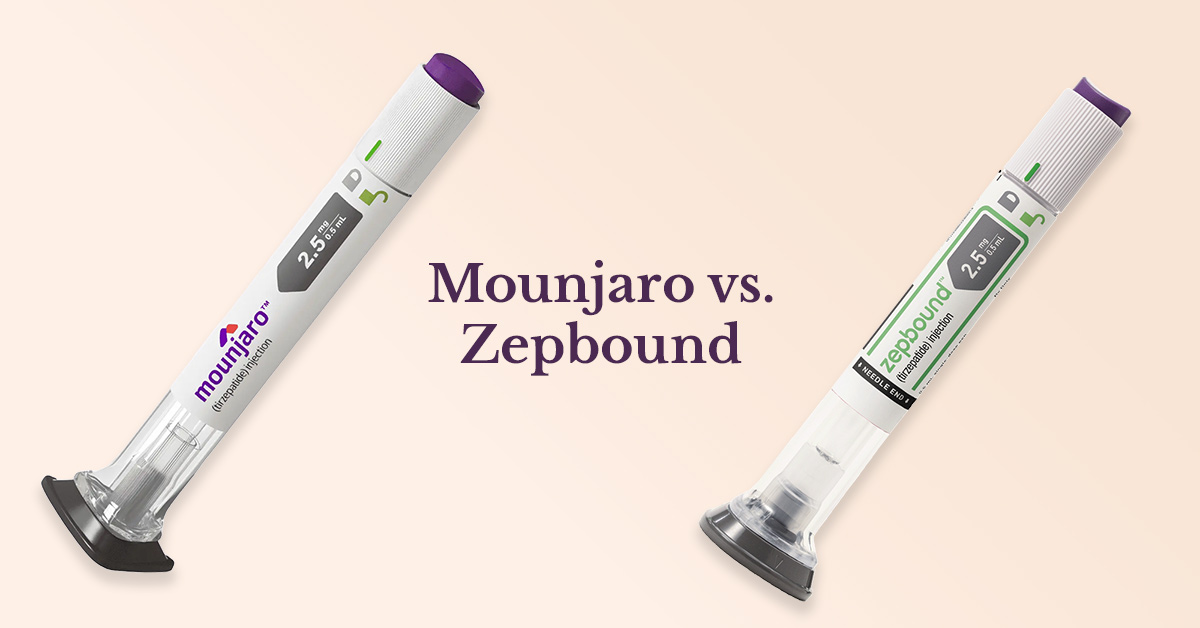
Zepbound vs Mounjaro: Uses, Benefits, and Differences

Zepbound vs Mounjaro

  • Zepbound vs Mounjaro both contain tirzepatide but treat different conditions. Mounjaro is FDA-approved for type 2 diabetes, while Zepbound is approved for obesity, weight-related conditions, and obstructive sleep apnea in adults.
  • Tirzepatide mimics gut hormones to regulate blood sugar and appetite. It improves insulin sensitivity, slows digestion, lowers glucose after meals, and reduces hunger, leading to effective diabetes control and significant weight loss.
  • Both drugs share dosing, side effects, and risks, but coverage varies. The choice between Mounjaro and Zepbound depends on your health needs, insurance plan, and long-term goals.

Mounjaro and Zepbound are two brand-name medications that contain the same active ingredient, tirzepatide. While they work the same way in the body, the key difference lies in what they’re approved to treat. Mounjaro is approved by the Food and Drug Administration (FDA) to treat type 2 diabetes, while Zepbound is approved for obesity, weight-related health conditions, and obstructive sleep apnea in certain adults.

This guide compares the two drugs in terms of uses, effectiveness for weight loss, side effects, dosing, and cost so you can better understand which option might be right for you.

Key Differences Between Mounjaro and Zepbound

Tirzepatide, the active ingredient in Zepbound and Mounjaro, is classified as a dual glucose-dependent insulinotropic polypeptide (GIP) and glucagon-like peptide-1 (GLP-1) receptor agonist. This means it mimics two hormones, GIP and GLP-1, to help regulate blood sugar levels and appetite in adults with type 2 diabetes.

In addition, they promote feelings of fullness, reduce appetite, and lower calorie intake, ultimately leading to weight loss.

By encouraging weight loss, tirzepatide can also help improve obstructive sleep apnea, as shedding excess weight reduces pressure on the airway during sleep.

Here’s a side-by-side breakdown of how Mounjaro and Zepbound compare:

Mounjaro Zepbound
Active Ingredient Tirzepatide Tirzepatide
FDA-Approved Use Type 2 diabetes in adults Obesity (BMI ≥30) or overweight (BMI ≥27 with a related condition); Obstructive sleep apnea in adults with obesity
How It Works Dual GIP and GLP-1 receptor agonist that helps regulate blood sugar and appetite Same as Mounjaro
Administration Weekly subcutaneous injection (stomach, arm, thigh) Same as Mounjaro
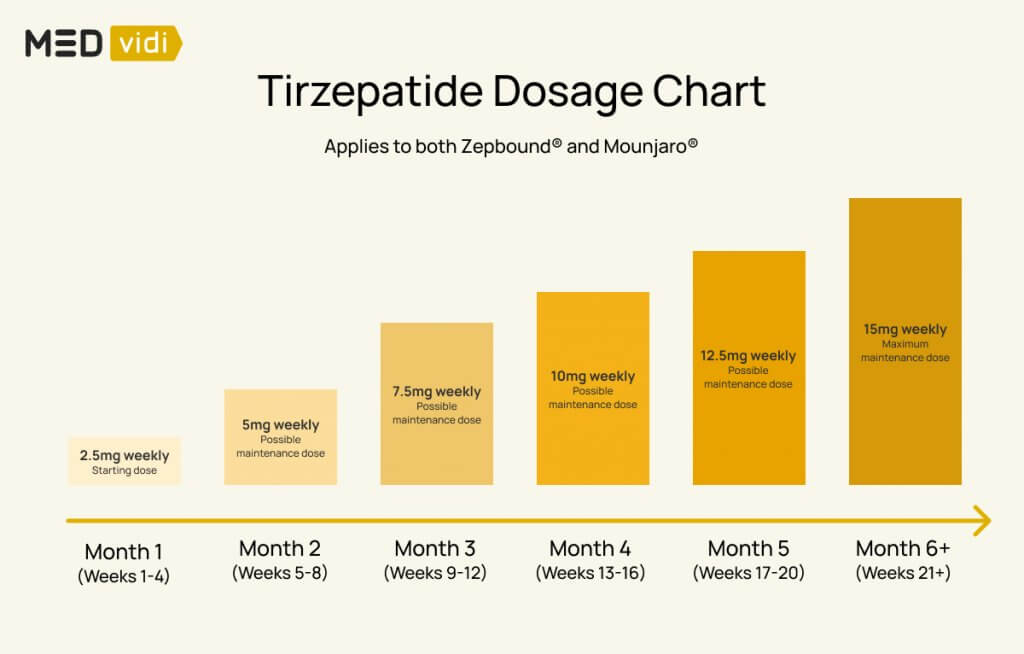
Available Strengths 2.5 mg – 15 mg pens 2.5 mg – 15 mg pens
Common Side Effects Nausea, diarrhea, vomiting, constipation, stomach pain, indigestion, injection site reactions Same as Mounjaro
List Price ~$1,079/month ~$1,086/month

FDA-approved uses

Mounjaro received FDA approval in 2022 for adults with type 2 diabetes mellitus, to be used, along with diet and physical activity, to improve blood sugar control.

Zepbound received FDA approval in 2023 for chronic weight management in adults with:

  • Obesity (having a body mass index or BMI of 30 or higher).
  • Overweight (having a BMI of 27 or higher) with a weight-related health condition, such as high blood pressure, type 2 diabetes, high cholesterol, and heart disease.
  • In 2024, Zepbound received additional FDA approval for the treatment of moderate-to-severe obstructive sleep apnea (OSA) in adults with obesity.

Note: Because Zepbound and Mounjaro contain the same active ingredient, they are sometimes prescribed off-label during drug shortages. For example, a healthcare provider may use clinical judgment to prescribe Mounjaro off-label for weight loss on a case-by-case basis.

How Much Weight Do You Lose on Zepbound or Mounjaro?

Mounjaro

A review of the SURPASS trials found that participants with type 2 diabetes mellitus who used Mounjaro experienced an average weight loss of approximately 5% to 14% of their initial body weight.

In the SURMOUNT-2 trial, individuals receiving the highest dose of Mounjaro (15 mg) lost, on average, about 14.7% of their body weight over 72 weeks.

Zepbound

The SURMOUNT-1 trial assessed weight loss in adults with obesity (without diabetes) over 72 weeks.

At 5 mg, the average weight loss was approximately 15.0%, at 10 mg it was about 19.5%, and at 15 mg it reached around 20.9%.

Participants in the placebo group lost approximately 3.1%.

Notably, both Zepbound and Mounjaro should be combined with consistent lifestyle changes with a reduced-calorie diet and increased physical activity.

Side Effects & Risks

Mounjaro and Zepbound cause similar side effects and carry the same risks.

Common Side Effects

The most common side effects of Zepbound and Mounjaro are nausea, diarrhea, vomiting, constipation, abdominal pain, indigestion, and injection site reactions.

Serious Risks

Before using tirzepatide (Mounjaro, Zepbound), discuss with your doctor if you have:

  • Severe stomach problems such as gastroparesis (issues with emptying of your stomach)
  • Acute kidney injury or kidney disease
  • Acute gallbladder disease
  • Acute pancreatitis
  • Serious hypersensitivity reactions
  • Hypoglycemia (low blood sugar), especially when used with other diabetes treatments.
  • Diabetic retinopathy
  • Suicidal behavior and ideation
  • Surgery in the near future that uses deep sedation (general anesthesia)

You should not use this medication if you have:

  • A personal or family history of thyroid cancer or a condition called Multiple Endocrine Neoplasia syndrome type 2 (MEN 2).
    • Risk of thyroid cancer was associated with tirzepatide in studies with rats. However, it is unknown if tirzepatide will cause thyroid tumors or medullary thyroid carcinoma (MTC, a type of thyroid cancer) in humans.
    • Let your doctor know immediately if you notice hoarseness, lump or swelling in your neck, shortness of breath, or difficulty swallowing.
  • Allergy to tirzepatide or other ingredients in this medication

Cost Comparison

The list price is the price you will pay out of pocket for a month’s supply of Mounjaro or Zepbound if you do not have health insurance, your insurance does not cover the medication, and you are not eligible for manufacturer discounts. They are as follows:

  • Mounjaro: $1,079.77 per fill
  • Zepbound: $1,086.37 per fill

Savings Programs

Commercially insured patients who have insurance coverage for Mounjaro or Zepbound may pay as little as $25 for a 1-month or 3-month prescription by using a savings card. A one-month supply (28 days) includes four pens, while a three-month supply (84 days) includes twelve pens.

To benefit from this program, you must be prescribed either Mounjaro or Zepbound for an FDA-approved use. You must be at least 18 years old, a legal resident of the U.S., and not participating in any state, federal, or government-funded healthcare program.

Which Medication Is Right for You?

It’s essential to consult a healthcare professional before taking Zepbound or Mounjaro to ensure you are suitable for either medication.

While both can be very effective and have similar side effect profiles, factors to consider when choosing between them may include the condition being treated, your insurance coverage, and your long-term health goals.

Your doctor will prescribe either Mounjaro if you have type 2 diabetes and need to lose weight.

However, your healthcare provider may prescribe Zepbound if you do not have diabetes and are looking for a weight loss medication.

Frequently Asked Questions About Mounjaro vs. Zepbound

Is Zepbound Stronger Than Mounjaro?

No, their strengths and effectiveness are comparable. However, they are used for different conditions.

Can You Switch From Mounjaro To Zepbound?

Yes, it is possible to switch from Mounjaro to Zepbound and vice versa if your health goal shifts from managing diabetes to focusing on weight loss.

Does Insurance Cover Zepbound or Mounjaro?

Coverage for Zepbound and Mounjaro varies from plan to plan. Many plans cover Mounjaro for type 2 diabetes, and coverage for weight loss medications like Zepbound depends on the insurance plan.

Are The Side Effects of Zepbound and Mounjaro The Same?

Yes, both Zepbound and Mounjaro can cause digestive side effects, including nausea, diarrhea, vomiting, and stomach pain. However, your body will usually adjust to the medication over time.

Does Zepbound or Mounjaro Have A Generic?

No, Zepbound and Mounjaro are brand names only, and no lower-cost generic is currently available. Zepbound vs Mounjaro.

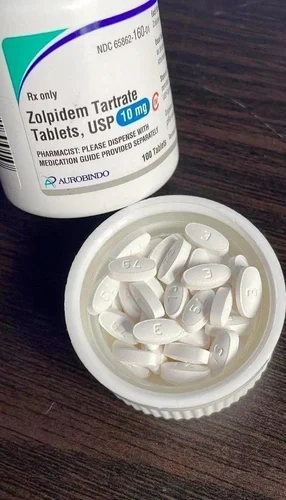
What Medications Should You Avoid with Zolpidem (Ambien)

What type of medicine is zolpidem tartrate (Ambien)?

medications to avoid with zolpidem (brand name: Ambien, Ambien CR) belongs to a group of medicines called sedative-hypnotic drugs. It is used for the treatment of insomnia (trouble falling asleep and staying asleep).

This medicine works by slowing activity in the brain and thereby allowing you to fall asleep. Studies evaluating sleep have shown that Ambien can decrease sleep latency (help you fall asleep faster), increase total sleep time, reduce nighttime awakenings, and preserve sleep stages.

The immediate-release Ambien helps you fall asleep when you first go to bed. Whereas the extended-release formula consists of 2 layers — the first layer helps you fall asleep, then the second layer releases the drug slowly to keep you asleep.

What is Ambien CR (zolpidem) doses?

Ambien (zolpidem) should not be given to children.

  • Only take one dose a day as needed for sleep immediately before bedtime; the recommended dose is 5 mg for women and 5 to 10 mg for men.
  • The recommended dose is 5 mg for older patients.

For extended-release tablets:

  • Only take one dose a day as needed for sleep immediately before bedtime; the recommended dose is 6.25 mg for women and 6.25 mg to 12.5 mg for men.
  • The recommended dose is 6.25 mg for older patients.

Other zolpidem products include sublingual tablets that are placed under the tongue (Intermezzo, Edluar) 1.75 mg and 3.5 mg, and an oral spray (Zolpimist) of 5 mg per actuation.

How to take Ambien?

CNS drugs (sedative-hypnotics) like Ambien start working within 30 minutes, and the peak drug effect occurs in 1-2 hours. This medicine should therefore be taken immediately before bedtime when there are at least 7-8 hours remaining before the planned awakening time. medications to avoid with zolpidem

You should not take tablets with a meal or immediately after a meal since food can slow down the effects of Ambien.

Dosage adjustments may be necessary for certain patient populations, including frail individuals, the elderly, and people with health conditions that affect the breakdown of Ambien, such as hepatic insufficiency (reduced  Studies have found that those who do not have normal hepatic function do not clear this medicine as well as others. Therefore, a lower dose of 5 mg should be prescribed to elderly patients, frail individuals, and those with moderate hepatic impairment or severe hepatic impairment.

Dose adjustments are often necessary for patients who take zolpidem with other CNS depressant drugs since this drug combination can further dampen the central nervous system leading to respiratory depression.

Remember that Ambien helps in the short term with sleep initiation and maintenance. It is not for chronic insomnia. Ambien is usually prescribed for two weeks or less to people with impaired sleep from a sleep disorder like insomnia. If your insomnia symptoms do not improve within 7-10 days of starting Ambien, you should contact your doctor.

What are the side effects of Ambien?

Common side effects of zolpidem include dizziness, lightheadedness, drowsiness, headache, fatigue, and unsteadiness. Some patients taking zolpidem experience gastrointestinal side effects like heartburn, nausea, gas, constipation, diarrhea, stomach pain, and changes in appetite. Other adverse effects of Ambien include uncontrolled shaking in a part of the body or numbness, tingling, or burning in the hands or feet. Dry mouth, eye redness, ringing in the ears, muscle aches, back pain, neck pain, joint pain, and heavy menstrual periods have also been reported by patients receiving zolpidem.

More serious adverse effects of zolpidem that require careful and immediate evaluation include:

  • Rash, hives, itching.
  • Swelling of the face, tongue, lips, or throat.
  • Chest pain.
  • Difficulty breathing or swallowing.
  • Shortness of breath.
  • Pounding heartbeat.
  • Blurred vision or other vision problems.
  • Yellowing of the eyes.
  • Light-colored stools.
  • Nausea and vomiting.

What are the risks of taking Ambien?

Zolpidem administration is associated with the following risks:

  • An allergic reaction with skin rash and hives, swelling of the face or mouth, or throat closing.
  • Severe respiratory depression and CNS depression, especially if an Ambien tablet is taken with other CNS depressants.
  • Potentially life-threatening sleep disturbances such as sleep-driving, eating food, making phone calls, or engaging in sexual activity while not fully awake.
  • Abnormal thinking and behavioral changes, including odd behaviors, agitation, aggression, visual and auditory hallucinations, and worsening depression in primarily depressed patients.
  • Lack of complete mental alertness, prolonged reaction time, next-day psychomotor impairment, and impaired driving post-treatment night, which can increase the risk of accidents and injuries.
  • Rebound insomnia and withdrawal symptoms with abrupt discontinuation of zolpidem.
  • Drug dependence with long-term use of zolpidem.

Who should not take zolpidem tartrate?

Anyone with a known allergy to zolpidem tartrate (the active ingredient in an Ambien tablet) or any inactive ingredients in zolpidem tartrate tablets should not take this medicine. medications to avoid with zolpidem

Zolpidem is not approved for use in pediatric patients. Clinical trials have shown that pediatric patients treated with zolpidem have frequent adverse effects, and this medicine has no efficacy compared to a placebo. Zolpidem was not found to benefit children with attention deficit hyperactivity disorder (ADHD).

Elderly patients and patients with hepatic insufficiency (reduced liver function) should discuss the risks versus benefits of taking zolpidem tartrate with their doctor or pharmacist.

This medicine may not be suitable for people with medical conditions like chronic obstructive pulmonary disease (COPD), sleep apnea, respiratory depression, pulmonary disease, or myasthenia gravis. Pregnant women and those nursing an infant with breast milk should avoid zolpidem. This medicine may produce respiratory depression in a breastfed infant.

Patients taking other medications, especially other sedative-hypnotics or other CNS depressants, should talk to their doctor or pharmacist about a possible drug interaction between Ambien and their other medicines.

Can I take Ambien with blood pressure medication?

In general, there are no known drug interactions between Ambien and blood pressure medications. However, you should check with your doctor or pharmacist to be sure.

  1. Can you take zolpidem with other sleep medications?
    Combining zolpidem with other sedative or sleep medicines can increase drowsiness, impaired coordination, and other central nervous system (CNS) effects. Talk with your doctor or pharmacist before combining sleep medications.
  2. Can you take opioids with zolpidem (Ambien)?
    Opioids can add to zolpidem’s CNS-depressant effects, potentially increasing sedation and breathing-related risks. This combination should only be used when specifically directed and monitored by a healthcare professional.
  3. Should you avoid antihistamines while taking zolpidem?
    Some antihistamines can cause drowsiness and may increase the sedative effects of zolpidem. Ask a healthcare professional before using OTC allergy or cold medicines with zolpidem.
  4. Can you drink alcohol while taking zolpidem?
    Alcohol should be avoided with zolpidem because it can intensify CNS depression and increase impairment.
  5. Should you tell your doctor about all medications and supplements you take with zolpidem?
    Yes. Tell your doctor or pharmacist about prescription drugs, OTC medicines, vitamins, supplements, and herbal products. This helps identify potential interactions and determine whether dosage adjustments or monitoring are needed. medications to avoid with zolpidem.

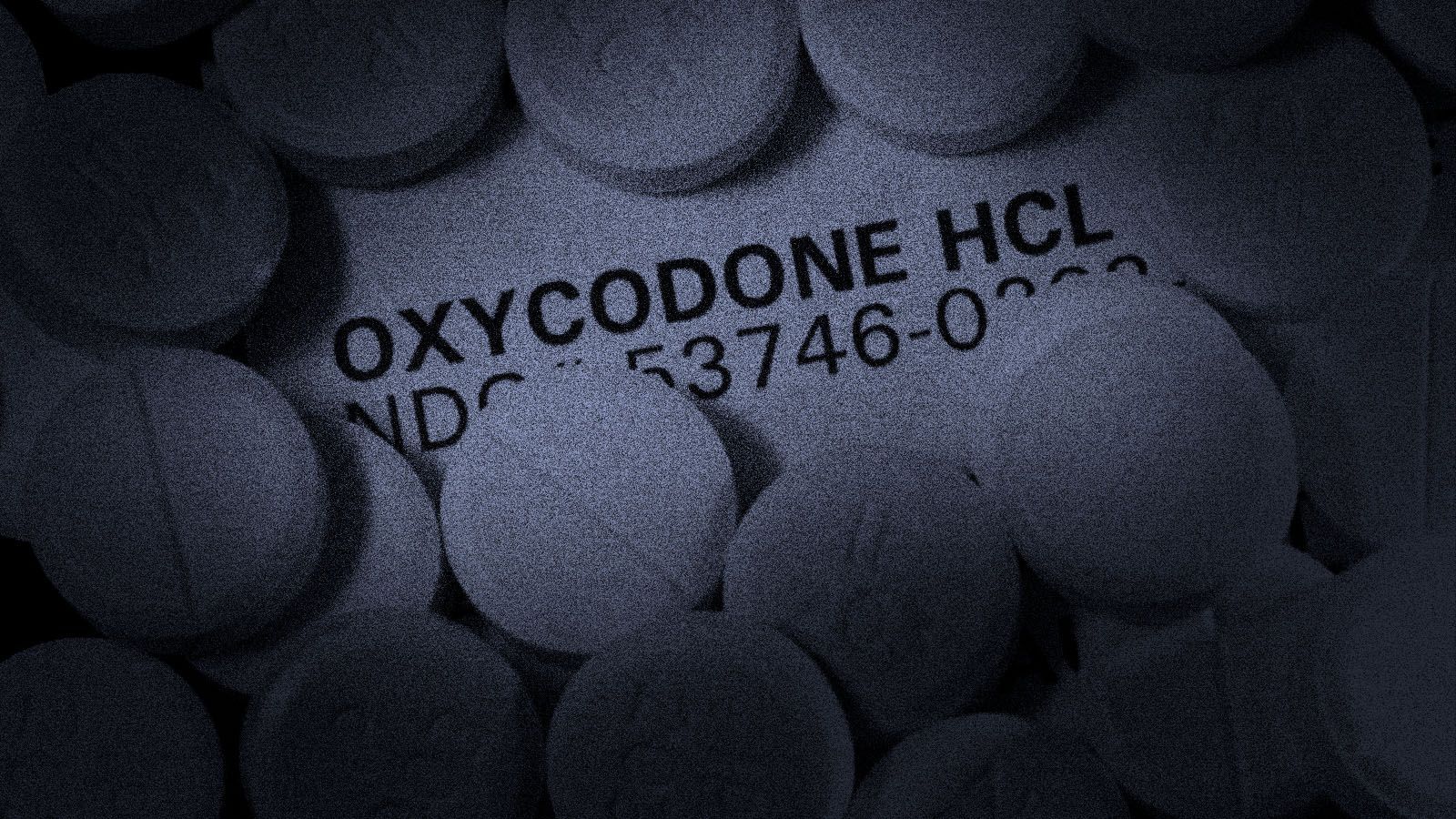
How Does Oxycodone Hydrochloride Work?

How Does Oxycodone Hydrochloride Work?

Oxycodone Hydrochloride is an opioid analgesic. It reduces the perception of pain by acting on opioid receptors in the central nervous system.

In addition to reducing pain, opioid activity can produce effects such as sedation and slowed breathing. These effects explain why oxycodone must be used carefully and exactly as prescribed.

The risk of serious respiratory depression is particularly important when treatment is started or when the dosage is increased.

Oxycodone Hydrochloride Tablets and Formulations

Oxycodone is available in different oral formulations. These may include immediate-release tablets and extended-release formulations, depending on the specific product and market.

These formulations should not be treated as interchangeable simply because they contain the same active ingredient.

Immediate-release oxycodone

Immediate-release oxycodone tablets are designed to release oxycodone more quickly and are used according to the prescribing instructions provided by the healthcare professional.

Extended-release oxycodone

Extended-release oxycodone products are designed to provide prolonged opioid delivery.

Extended-release tablets must be swallowed whole and should not be crushed, chewed, broken, or dissolved. Altering an extended-release tablet can cause too much oxycodone to be released at once and may result in overdose or death.

Always check the specific product label and prescription instructions before taking oxycodone.

Oxycodone Hydrochloride Dosage

There is no single oxycodone hydrochloride dosage that is appropriate for everyone.

The prescribed dose can depend on several factors, including:

  • Severity of pain
  • Previous exposure to opioids
  • Individual response to treatment
  • Age and overall health
  • Other medicines being taken
  • Kidney or liver function
  • Risk factors for respiratory depression
  • The particular oxycodone formulation being used

Current prescribing information emphasizes individualized dosing and careful titration because excessive opioid exposure can result in serious or fatal respiratory depression.

Patients should never increase their oxycodone dose, take it more frequently, or change the formulation without medical advice.

If a dose is missed, follow the instructions supplied with the specific prescription or contact a pharmacist or healthcare professional rather than taking an extra dose to compensate.

What Are the Effects of Oxycodone Hydrochloride?

The intended therapeutic effect of oxycodone is pain relief. However, because it acts on the central nervous system, it can also produce other effects.

Possible effects include:

  • Pain relief
  • Drowsiness
  • Sedation
  • Nausea
  • Vomiting
  • Weakness
  • Tiredness
  • Headache
  • Constipation

The intensity of these effects varies between individuals.

Oxycodone can also cause serious effects, particularly when it is taken incorrectly, combined with certain substances, or used at an inappropriate dose.

Oxycodone Hydrochloride Side Effects

Common side effects reported with oxycodone include nausea, vomiting, headache, weakness, tiredness, and other opioid-related effects.

More serious adverse effects can include:

  • Severe or prolonged drowsiness
  • Difficulty breathing
  • Slow breathing
  • Long pauses between breaths
  • Severe sedation
  • Confusion
  • Seizures
  • Severe allergic reactions
  • Overdose

Difficulty breathing, extreme sleepiness, or inability to wake normally can be signs of a medical emergency.

Oxycodone and Respiratory Depression

One of the most serious risks associated with oxycodone is respiratory depression, meaning breathing becomes dangerously slow or inadequate.

This risk can occur even when an opioid is used as prescribed and can be particularly significant when treatment begins or after the dose is increased.

Emergency medical assistance should be obtained if someone taking oxycodone develops severe breathing difficulty, unusually slow breathing, prolonged pauses between breaths, or extreme difficulty staying awake.

Oxycodone, Alcohol, and Other Medicines

Combining oxycodone with alcohol or other substances that depress the central nervous system can increase the risk of profound sedation, respiratory depression, coma, and death.

Important medication interactions can also involve benzodiazepines, other central nervous system depressants, and medicines that affect CYP3A4 metabolism.

Before taking oxycodone, patients should tell their doctor or pharmacist about all prescription medicines, over-the-counter medicines, supplements, and other substances they use.

Can Oxycodone Hydrochloride Cause Dependence or Addiction?

Yes. Oxycodone is an opioid and carries risks of addiction, abuse, misuse, physical dependence, and overdose.

These risks can occur even when the medicine is prescribed. Current labeling therefore recommends reserving opioid analgesics for situations in which alternative treatments are inadequate and emphasizes ongoing assessment of risk.

Physical dependence is different from addiction, although both can occur with opioid treatment. Someone who has been taking oxycodone regularly should not stop treatment suddenly without discussing an appropriate tapering plan with a healthcare professional.

Suddenly stopping regular opioid treatment can cause withdrawal symptoms.

Oxycodone Hydrochloride and Overdose

Taking more oxycodone than prescribed can cause a potentially fatal overdose.

Possible warning signs include:

  • Very slow or stopped breathing
  • Extreme sleepiness
  • Inability to wake the person
  • Unusual snoring or prolonged pauses in breathing
  • Severe weakness
  • Loss of consciousness

Naloxone is an opioid antagonist that can reverse opioid overdose when administered promptly. People prescribed opioids should discuss overdose prevention and whether they and their household should have naloxone available with their healthcare professional or pharmacist.

If an overdose is suspected, seek emergency medical help immediately.

How to Take Oxycodone Hydrochloride Safely

For safer use:

  1. Take oxycodone exactly as prescribed.
  2. Do not take a larger dose than prescribed.
  3. Do not take it more frequently than directed.
  4. Never share oxycodone with another person.
  5. Keep the medication in a secure location.
  6. Avoid alcohol unless your healthcare professional specifically tells you otherwise.
  7. Tell your doctor about other medicines and supplements you take.
  8. Do not crush or chew extended-release tablets.
  9. Do not suddenly stop regular opioid treatment without medical advice.
  10. Ask your pharmacist if you are uncertain about your particular tablet or dosing instructions.

Oxycodone should be stored securely because accidental ingestion can be dangerous, particularly for children.

Frequently Asked Questions About Oxycodone Hydrochloride Tablets

1. What is oxycodone hydrochloride used for?

Oxycodone hydrochloride is used to manage pain severe enough to require an opioid analgesic when alternative treatment options are inadequate. It is a prescription opioid and should be used according to a healthcare professional’s instructions.

2. What are the common side effects of oxycodone hydrochloride tablets?

Common side effects can include nausea, vomiting, headache, weakness, tiredness, drowsiness, and other opioid-related effects. Serious effects can include respiratory depression, severe sedation, allergic reactions, seizures, and overdose.

3. What is the correct oxycodone hydrochloride dosage?

The appropriate dose varies from patient to patient and depends on factors such as pain severity, previous opioid exposure, formulation, response to treatment, and individual risk factors. Oxycodone should be taken only at the dose and frequency prescribed by a healthcare professional.

4. Can oxycodone hydrochloride tablets be crushed or chewed?

The answer depends on the formulation. Extended-release oxycodone tablets should not be crushed, chewed, broken, or dissolved because doing so can release too much medicine at once and potentially cause a fatal overdose. Always check the specific product instructions.

5. Can oxycodone hydrochloride be taken with alcohol?

Alcohol can increase the sedating and respiratory-depressant effects of oxycodone and may increase the risk of serious or life-threatening complications. Patients should discuss alcohol use and all other medicines or substances with their healthcare professional.

Final Thoughts

Oxycodone hydrochloride is a powerful prescription opioid used for severe pain when alternative treatments are inadequate. Understanding its uses, effects, dosage considerations, side effects, interactions, dependence risks, and overdose warnings is important for anyone prescribed this medication.

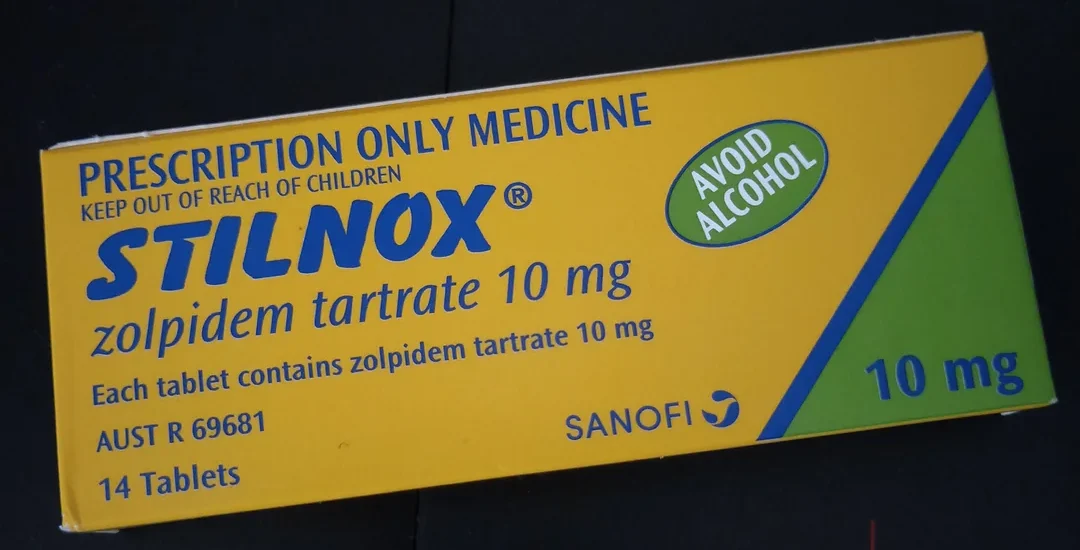
Stilnox Guide: What Is Zolpidem, Uses & Side Effects

What is Stilnox used for?

Stilnox (zolpidem) is a prescription sleep medicine used for the short-term treatment of insomnia, particularly difficulty falling asleep.

2. How does Stilnox work?

Stilnox contains zolpidem, which enhances the activity of GABA in the brain. This has a calming effect that helps promote sleep.

3. How long does Stilnox take to work?

Stilnox usually starts working within about 30 minutes. It is generally taken shortly before bedtime as prescribed.

4. How long does Stilnox last?

Stilnox is a relatively short-acting sleeping medicine. Its effects are intended to help with nighttime sleep, although some people may experience next-day drowsiness.

5. How long does Stilnox stay in your system?

Zolpidem is relatively short-acting and is generally eliminated from the body within several hours. Individual factors can affect how quickly it is cleared.

6. What are the side effects of Stilnox?

Common Stilnox side effects include drowsiness, dizziness, headache, fatigue and reduced alertness. Unusual sleep behaviours can also occur.

7. Does Stilnox make you sleepy the next day?

Yes. Stilnox can cause next-day drowsiness, dizziness and impaired concentration. Avoid driving if you do not feel fully alert.

8. Can Stilnox cause memory loss?

Yes. Zolpidem can cause memory problems, particularly events occurring after taking the medicine. Memory loss can also occur with complex sleep behaviours.

9. Can Stilnox cause sleepwalking?

Yes. Zolpidem has been associated with sleepwalking and other complex sleep behaviours, including performing activities while not fully awake.

10. Can Stilnox cause nightmares?

Some people may experience unusual or disturbing dreams while taking Stilnox. Speak with your doctor if nightmares are persistent or severe.

11. Can you take Stilnox every night?

Stilnox is generally intended for short-term use. Taking zolpidem every night for an extended period can increase the risk of tolerance and dependence.

12. How long can you take Stilnox safely?

Zolpidem is usually prescribed for a short period, often a few days to several weeks. The appropriate duration depends on your individual circumstances and medical advice.

13. Is Stilnox addictive?

Stilnox can cause dependence and addiction, particularly with prolonged use, higher doses or misuse. The risk is lower when it is used exactly as prescribed.

14. Can you become dependent on Stilnox?

Yes. Regular or prolonged zolpidem use can lead to physical or psychological dependence. Do not increase the dose without medical advice.

15. What happens when you stop taking Stilnox?

Stopping zolpidem after prolonged use can cause withdrawal symptoms or rebound insomnia. Symptoms may include anxiety, restlessness and difficulty sleeping.

16. How do you stop taking Stilnox safely?

If you have been taking Stilnox regularly, your doctor may recommend gradually reducing the dose. Do not suddenly stop long-term zolpidem treatment without medical advice.

17. Can you take Stilnox with alcohol?

It is generally recommended to avoid alcohol with Stilnox. Combining alcohol and zolpidem can increase sedation, impaired coordination and other serious risks.

18. Can you take Stilnox with other sleeping tablets?

Do not combine Stilnox with another sleeping medicine unless your doctor specifically recommends it. Combining sedative medicines can increase drowsiness and impairment.

19. Can you take Stilnox with antidepressants?

It depends on the specific antidepressant. Some combinations can increase sedation or other side effects. Tell your doctor or pharmacist about all medicines you take.

20. Can you take Stilnox with melatonin?

Ask your doctor or pharmacist before combining melatonin with Stilnox. Both can cause sleepiness and may increase sedation when taken together.

21. Is Stilnox safe for older adults?

Older adults can be more sensitive to zolpidem and may have an increased risk of dizziness, falls and next-day impairment. A lower dose may be appropriate in some cases.

22. What is the difference between Stilnox and Ambien?

Stilnox and Ambien are brand names associated with zolpidem. However, formulations, strengths and availability can differ between countries.

23. What is the difference between Stilnox and Stilnox CR?

Stilnox is generally an immediate-release zolpidem formulation, while Stilnox CR is designed for controlled or extended release. Do not switch formulations without medical advice.

24. Is Stilnox 10 mg safe?

The appropriate zolpidem dose depends on factors such as age, health, other medicines and individual response. 10 mg is not automatically suitable for everyone. Take only the prescribed dose.

25. What are alternatives to Stilnox for insomnia?

Alternatives may include cognitive behavioural therapy for insomnia (CBT-I), improved sleep habits and other treatments recommended by a healthcare professional. The best option depends on the cause of insomnia.

Stilnox Side Effects: What You Should Know Stilnox side effects
2 Stilnox Dosage Guide: How Much Zolpidem Is Used for Sleep? Stilnox dosage
3 Stilnox and Alcohol: Are They Safe Together? Stilnox and alcohol Safety
4 Stilnox Withdrawal: Symptoms, Timeline & What to Know Stilnox withdrawal
5 How Long Does Stilnox Last? Zolpidem Effects Explained how long does Stilnox last
6 Stilnox vs Ambien: What’s the Difference? Stilnox vs Ambien
7 Stilnox vs Stilnox CR: Differences Explained Stilnox CR
8 Can You Take Stilnox Every Night? Long-Term Use Explained Stilnox every night
9 Stilnox and Other Medicines: Important Drug Interactions Stilnox interactions Safety
10 Alternatives to Stilnox: Treatments for Insomnia alternatives to Stilnox

Conclusion

Stilnox (zolpidem) Can help with short-term insomnia, but it should be used carefully. Important considerations include dosage, side effects, next-day drowsiness, drug interactions, dependence and withdrawal. Always follow your doctor’s or pharmacist’s advice when using or stopping Stilnox.

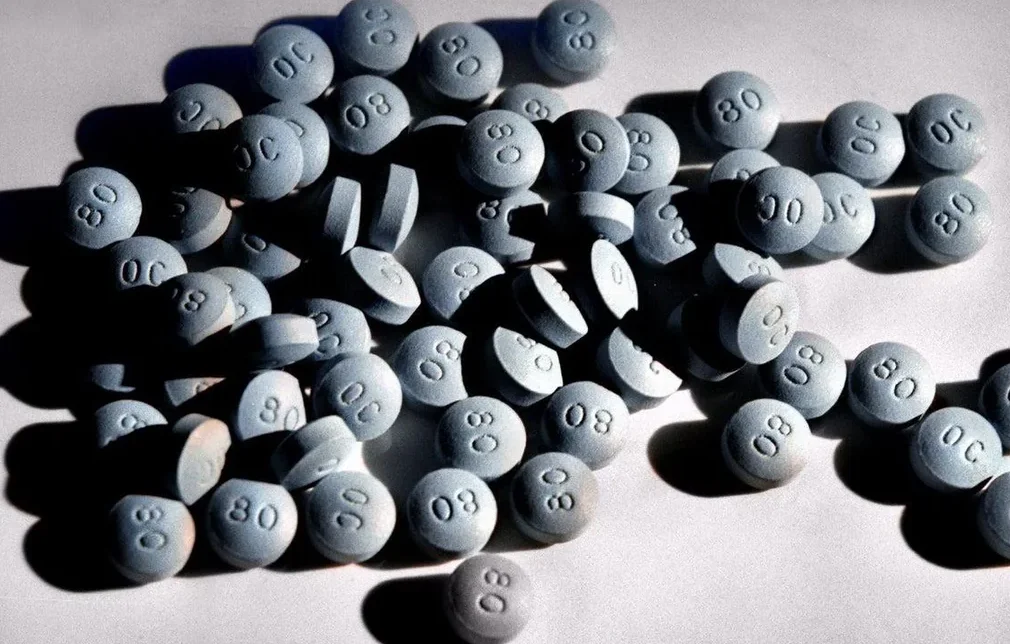
Opioid Medications: Uses, Types, Dosage, Effects and Safety

What Are Opioid Medications?

opioid medications are a class of medications that relieve pain by interacting with opioid receptors in the central nervous system. Some opioids are naturally derived from the opium poppy, while others are semi-synthetic or fully synthetic.

These medications are typically prescribed for:

  • Severe acute pain after surgery
  • Cancer-related pain
  • Serious injuries
  • Palliative and end-of-life care
  • Selected cases of chronic pain when benefits outweigh risks

Effects of Opioid Medications

Positive Effects and Medical Benefits

When used appropriately under medical supervision, opioid medications can provide important benefits, including:

Effective Pain Relief

Opioids can reduce moderate to severe pain and may help patients recover after major surgery, injury, or serious illness.

Improved Comfort and Function

For some patients, reducing severe pain can improve mobility, sleep, daily activities, and overall quality of life.

Supportive Care in Serious Illness

In cancer care and palliative medicine, opioids may help relieve pain and improve comfort when managing complex medical conditions.

Uses of Opioid Medications

Healthcare providers may prescribe opioids for:

Acute Pain

Short-term pain resulting from surgery, trauma, or severe injury.

Cancer Pain

Long-term pain management for patients with active cancer.

Palliative Care

Improving comfort and quality of life for individuals with serious illnesses.

Postoperative Recovery

Managing severe pain immediately following major surgical procedures.

End-of-Life Care

Helping relieve pain and improve comfort during hospice care.

Opioids are generally not considered first-line treatment for chronic non-cancer pain because of their potential risks.


Types of Opioid Medications

Common prescription opioids include:

  • Morphine
  • Oxycodone
  • Hydrocodone
  • Codeine
  • Tramadol
  • Hydromorphone
  • Fentanyl (prescription formulations)
  • Oxymorphone
  • Methadone (used for pain and opioid use disorder under appropriate medical supervision)
  • Buprenorphine (used for pain and opioid use disorder)

Each medication differs in strength, duration of action, and approved medical use

Types of Opioid Medications

Several opioid medications are available, each with different characteristics, strengths, and approved medical uses. The choice of medication depends on the patient’s condition, previous exposure to opioids, other health conditions, and treatment goals.

Morphine

Morphine is one of the oldest and most widely used opioid medications. It is commonly prescribed for severe pain after surgery, serious injuries, and cancer-related pain. Morphine is available in both immediate-release and extended-release formulations.

Oxycodone

Oxycodone is prescribed to treat moderate to severe pain and may be used when around-the-clock pain control is needed or for short-term pain management after surgery or injury. It is available in immediate-release and extended-release forms.

Hydrocodone

Hydrocodone is often combined with non-opioid pain relievers such as acetaminophen for the treatment of moderate to moderately severe pain. It is frequently prescribed for short-term use following certain medical procedures or injuries.

Codeine

Codeine is considered a lower-potency opioid compared with some other prescription opioids. It may be used in selected situations for pain relief, though its effectiveness and safety vary between individuals due to differences in how the body processes the medication.

Hydromorphone

Hydromorphone is a potent opioid medication that may be used to manage severe pain when other analgesics are insufficient. Because of its strength, it requires careful dosing and monitoring by a healthcare professional.

Tramadol

Tramadol has opioid-like properties and also affects certain neurotransmitters involved in pain signaling. It is prescribed for some types of moderate pain but still carries risks of dependence, side effects, and drug interactions.

Methadone

Methadone is used both for pain management and, under appropriate medical supervision, as part of treatment for opioid use disorder. Because it has unique pharmacologic properties, dosing must be individualized and carefully monitored.

Buprenorphine

Buprenorphine is used in pain management and is also an important medication for treating opioid use disorder. Its unique properties can make it a suitable option for certain patients, depending on their medical circumstances.

Common Side Effects

  • Drowsiness
  • Constipation
  • Nausea
  • Vomiting
  • Dizziness
  • Dry mouth
  • Itching

Serious Risks

  • Respiratory depression
  • Physical dependence
  • Opioid use disorder (addiction)
  • Overdose
  • Drug interactions
  • Increased fall risk in older adults

Seek emergency medical care immediately if someone experiences:

  • Slow or stopped breathing
  • Blue lips or fingertips
  • Inability to wake up
  • Loss of consciousness

Safe Use of Opioid Medications

Patients can reduce risks by following these safety practices:

  • Take medications only as prescribed.
  • Do not combine opioids with alcohol unless specifically advised by a healthcare professional.
  • Inform your healthcare provider about all other medications and supplements.
  • Keep opioids in a secure location.
  • Never use another person’s prescription.
  • Discuss concerns about dependence or side effects with your healthcare provider.

Frequently Asked Questions About Opioid Medications

1. What are opioid medications used for?

opioid medications are primarily used to manage moderate to severe pain. They may be prescribed after major surgery, serious injuries, for cancer-related pain, and in palliative care situations. A healthcare professional determines whether opioid therapy is appropriate based on the patient’s condition.


2. What are the most common types of opioid medications?

Common prescription opioids include morphine, oxycodone, hydrocodone, codeine, hydromorphone, tramadol, methadone, buprenorphine, and certain prescription fentanyl products. Each medication has different characteristics and medical uses.


3. How is opioid dosage determined?

Opioid dosage is individualized based on factors such as pain severity, medical history, previous opioid exposure, age, kidney and liver function, and other medications being taken. Patients should only use opioids according to instructions from their healthcare provider.


4. What are the side effects of opioid medications?

Common opioid side effects include drowsiness, constipation, nausea, vomiting, dizziness, and dry mouth. More serious risks include breathing problems, overdose, dependence, and opioid use disorder.


5. Can opioid medications cause dependence?

Yes. Regular opioid use can lead to physical dependence, where the body adapts to the medication. Some people may also develop opioid use disorder. Medical supervision and responsible use can help reduce risks.


6. Are there alternatives to opioid pain medications?

Yes. Depending on the cause of pain, alternatives may include non-opioid medications, physical therapy, exercise programs, behavioral therapies, and certain medical procedures. A healthcare provider can recommend appropriate options.


7. How can opioid medications be used safely?

Safe opioid use includes following the prescribed instructions, avoiding medication sharing, discussing all medications with healthcare providers, storing medications securely, and seeking medical advice about side effects or concerns.

Medical Guidance Call to Action

At Medix Shops, we are committed to supporting informed health decisions by helping individuals find reliable healthcare resources and guidance. Explore our services, learn more about medication safety, and take the next step toward better health management.

Accord Zopiclone 7.5 mg: Uses, Dosage, Side Effects in UK

What Is Zopiclone 7.5 mg?

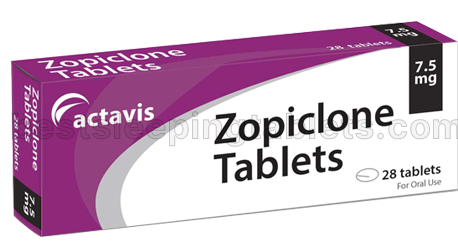
zopiclone 7.5mg tablets is a prescription-only medicine used for the short-term treatment of insomnia in adults. It helps people who struggle to fall asleep, wake frequently during the night, or wake too early. In the UK, it should only be used under the supervision of a healthcare professional and is generally prescribed for a limited period due to the risk of dependence.

Uses of Zopiclone 7.5 mg

prescribe Zopiclone 7.5 mg for:

  • Short-term treatment of insomnia
  • Difficulty falling asleep
  • Frequent night-time awakenings
  • Early morning waking
  • Temporary sleep problems caused by stress or life events
  • Sleep disturbances that significantly affect daily functioning.

    How to Get Zopiclone 7.5 mg in the UK

    In the UK, zopiclone cannot be legally purchased over the counter. It is a prescription-only medicine.

    To obtain it legally:

    1. Book an appointment with an NHS GP or a registered private doctor.
    2. The clinician will assess your symptoms and medical history.
    3. If appropriate, they may issue a prescription.
    4. Fill the prescription at a registered UK pharmacy.

      How Does Accord Zopiclone Work?

      zopiclone 7.5mg tablets enhances the effects of gamma-aminobutyric acid (GABA), a naturally occurring neurotransmitter that helps reduce brain activity. This calming effect promotes sleep and can help improve sleep continuity.

      Many people begin to feel its effects within about 30 to 60 minutes after taking it.

      How Does Accord Zopiclone Work?

      zopiclone 7.5mg tablets enhances the effects of gamma-aminobutyric acid (GABA), a naturally occurring neurotransmitter that helps reduce brain activity. This calming effect promotes sleep and can help improve sleep continuity.

      Many people begin to feel its effects within about 30 to 60 minutes after taking it.

      Recommended Dosage of Zopiclone 7.5 mg

      Typical adult dosage:

      • Standard adult dose: 7.5 mg once daily, taken immediately before bedtime.
      • Older adults or people with liver impairment may be prescribed 3.75 mg.
      • Take only when you can dedicate a full night’s sleep.
      • Do not exceed the prescribed dose.
      • Treatment is generally limited to 2–4 weeks, including dose reduction when stopping.

        Effects of Zopiclone 7.5 mg

        Benefits

        • Faster sleep onset
        • Longer sleep duration
        • Fewer night awakenings
        • Improved sleep quality

        Common Side Effects

        • Metallic or bitter taste
        • Dry mouth
        • Daytime drowsiness
        • Dizziness
        • Headache

        Serious Risks

        • Dependence with prolonged use
        • Withdrawal symptoms if stopped suddenly
        • Memory impairment
        • Sleepwalking or other complex sleep behaviours
        • Reduced alertness the following day

        Patients are advised not to drive or operate machinery if they feel sleepy or less alert after taking zopiclone.

        Cost of Zopiclone 7.5 mg in the UK

        The amount you pay depends on how the medicine is supplied:

        • NHS prescription: Patients usually pay the standard NHS prescription charge if they are not exempt.
        • Private prescription: Costs include both the consultation fee and the pharmacy price for the medicine, which vary by provider and pharmacy.
        • Generic zopiclone is generally less expensive than branded versions.

        Avoid quoting fixed prices, as they can change over time and differ between providers.

        FAQs for Your Blog

        1. What is Zopiclone 7.5 mg used for?

        Zopiclone 7.5 mg is prescribed for the short-term treatment of insomnia in adults who have difficulty falling asleep or staying asleep.

        2. Is Zopiclone available over the counter in the UK?

        No. Zopiclone is a prescription-only medicine and cannot be legally bought over the counter in the UK.

        3. How quickly does Zopiclone work?

        It typically begins to work within 30 to 60 minutes, so it should be taken shortly before bedtime.

        4. How long can I take Zopiclone?

        Treatment is generally limited to 2–4 weeks, including tapering off if needed.

        5. Can I drink alcohol while taking Zopiclone?

        No. Alcohol can increase the sedative effects of zopiclone and raise the risk of serious side effects.

        6. Is Zopiclone addictive?

        It can lead to tolerance and dependence if used for longer than recommended, which is why it is prescribed for short-term use.

        7. What are the most common side effects?

        Common side effects include a bitter taste, dry mouth, drowsiness, dizziness, and reduced alertness the next day.

        8. Can older adults take Zopiclone?

        Yes, but a lower starting dose (often 3.75 mg) may be recommended to reduce the risk of side effects.

        9. Can I stop taking Zopiclone suddenly?

        If you have been taking it regularly, your doctor may recommend gradually reducing the dose to minimise withdrawal symptoms.

        10. What should I do if I miss a dose?

        Skip the missed dose and take your next dose at bedtime the following night. Do not take two doses in the same night

Does Phentermine Work for Weight Loss? Benefits and Safety

Does Phentermine Really Help You Lose Weight?

Yes. Phentermine can help eligible adults lose weight by reducing appetite and controlling hunger, making it easier to eat fewer calories. Studies show it is most effective when combined with a healthy diet, regular exercise, and lifestyle changes under the supervision of a healthcare provider. Individual results vary, and phentermine is generally prescribed for short-term use.

But does phentermine actually work?

topiramate with phentermine for weight loss can help many people lose weight when it is combined with healthy eating, regular physical activity, and long-term lifestyle changes. However, it is not a magic solution, and results vary depending on individual health, adherence to treatment, and overall habits.

Htopiramate with phentermine for weight lossow Does Phentermine Work?

Phentermine is a prescription medication that acts as an appetite suppressant. It stimulates the central nervous system, increasing the release of certain neurotransmitters that help reduce hunger and increase feelings of fullness.

By decreasing appetite, many people naturally consume fewer calories, making it easier to maintain a calorie deficit, which is essential for weight loss.

Healthcare providers generally prescribe phentermine for short-term use alongside:

  • A reduced-calorie eating plan
  • Regular physical activity
  • Behavioral changes
  • Ongoing medical monitoring

How Effective Is Phentermine for Weight Loss?

Clinical studies have shown that many patients experience meaningful weight loss while taking phentermine under medical supervision.

Results depend on several factors, including:

  • Starting body weight
  • Diet quality
  • Exercise habits
  • Duration of treatment
  • Individual metabolism
  • Existing medical conditions

Many people notice appetite reduction within the first few days of treatment, making it easier to control portion sizes and avoid overeating.

Typical Expectations

Time Period Potential Results
First 2 weeks Reduced appetite and fewer cravings
1–3 months Gradual weight loss with healthy habits
3 months Noticeable improvements in body weight for many users
Long term Continued success depends on sustainable lifestyle changes

Individual outcomes vary, and no medication guarantees a specific amount of weight loss.

What Is the Difference Between Phentermine and Topiramate?

Although phentermine can be prescribed on its own, some healthcare providers prescribe it in combination with topiramate.

Topiramate is a medication originally developed to treat seizures and prevent migraines. Researchers found that it may also reduce appetite and help some people feel satisfied after eating smaller meals.

When used together, the two medications target appetite through different mechanisms.

Comparison Table

Phentermine Topiramate
Appetite suppressant May reduce appetite and food cravings
Short-term treatment Originally used for seizures and migraine prevention
Stimulates the nervous system Works through different neurological pathways
Prescription only Prescription only

The combination may produce greater weight loss than either medication alone for some patients, but it also requires careful medical supervision because both medicines can cause side effects and are not appropriate for everyone.

What Is Qsymia?

Qsymia is a prescription medication that combines phentermine and extended-release topiramate into a single capsule.

Healthcare providers may prescribe this combination for adults who meet specific body mass index (BMI) criteria and have obesity or overweight with certain weight-related medical conditions.

Treatment usually starts with a low dose that may be adjusted depending on the patient’s response and tolerance.

Benefits of Phentermine

When used appropriately under medical supervision, potential benefits may include:

  • Reduced appetite
  • Better portion control
  • Fewer food cravings
  • Improved adherence to a calorie-controlled diet
  • Meaningful weight loss for some individuals
  • Improvements in obesity-related health markers when combined with lifestyle changes

Medication is generally intended to complement—not replace—healthy eating and regular physical activity.

Possible Side Effects

Like all prescription medications, phentermine can cause side effects.

Common side effects include:

  • Dry mouth
  • Difficulty sleeping
  • Increased heart rate
  • Nervousness
  • Constipation
  • Headache
  • Dizziness

Most side effects are mild, but some people may experience more serious reactions that require prompt medical attention.

Because phentermine is a stimulant, healthcare providers carefully evaluate patients before prescribing it.

Who Should Avoid Phentermine?

Phentermine is not appropriate for everyone.

It is generally avoided in people with:

  • Uncontrolled high blood pressure
  • Significant heart disease
  • Hyperthyroidism
  • Glaucoma
  • Pregnancy
  • A history of certain substance uses disorders
  • Allergy to the medication

Your healthcare provider will review your medical history, current medications, and overall health before determining whether phentermine is suitable.

Healthy Habits That Improve Results

Weight-loss medications work best when combined with sustainable lifestyle changes.

Helpful habits include:

  • Eating plenty of vegetables and lean protein
  • Choosing whole grains over refined carbohydrates
  • Drinking enough water
  • Limiting sugary beverages
  • Exercising regularly
  • Getting adequate sleep
  • Managing stress
  • Monitoring progress with regular healthcare follow-up

These habits support long-term weight management after medication is discontinued.

phentermine and topiramate for weight loss Phentermine and topiramate are prescription medications that may be used together to help eligible adults lose weight by reducing appetite and increasing feelings of fullness. They should be used under medical supervision alongside diet and exercise.
phentermine topiramate for weight loss the combination of phentermine and topiramate has been shown to support greater weight loss than lifestyle changes alone in some people with obesity or overweight and related health conditions.
phentermine topiramate Qsymia weight loss Qsymia is a prescription medication that combines phentermine and extended-release topiramate to help with chronic weight management in eligible adults, together with healthy lifestyle changes.
phentermine topiramate weight loss pills Phentermine-topiramate weight loss pills are prescription medications designed to help reduce appetite and support long-term weight management under the care of a healthcare provider.
topiramate with phentermine for weight loss Topiramate may be prescribed with phentermine because the two medications work through different mechanisms to help control appetite and reduce calorie intake.
weight loss with phentermine and topiramate Many people experience meaningful weight loss with phentermine and topiramate when the medications are combined with a balanced diet, regular exercise, and ongoing medical supervision.

Frequently Asked Questions

1. Does phentermine work without diet and exercise?

Phentermine is most effective when combined with a balanced diet, regular physical activity, and behavior changes. Medication alone is generally less effective than a comprehensive weight-management plan.

2. How quickly does phentermine start working?

Many people notice reduced appetite within the first few days, although visible weight loss typically takes several weeks.

3. Is phentermine approved for long-term use?

Phentermine has traditionally been approved for short-term use. Your healthcare provider will determine the most appropriate treatment duration based on your individual situation.

4. Is phentermine better when combined with topiramate?

For some patients, combining phentermine with topiramate may lead to greater weight loss than phentermine alone, but the combination also requires careful medical supervision.

5. Who qualifies for prescription weight-loss medication?

Eligibility depends on factors such as BMI, overall health, and the presence of weight-related medical conditions. A healthcare provider can determine whether medication is appropriate.

Looking for Trusted Weight Management Information?
Discover educational articles, wellness tips, and information about prescription weight-loss treatments at Medix Shops. Always use prescription medications only under the guidance of a licensed healthcare professional.

Final Thoughts

Phentermine can be an effective tool for weight loss in carefully selected patients when used under medical supervision alongside healthy lifestyle changes. For some individuals, combining phentermine with topiramate may provide additional benefits, but this approach also requires careful evaluation of potential risks and ongoing monitoring.

Tablets for Depression and Anxiety: Guide to Medications, Uses, Side Effects

What tablets are commonly used for depression and anxiety?

Tablets for Depression and Anxiety include antidepressants such as SSRIs (e.g., sertraline, fluoxetine) and SNRIs (e.g., venlafaxine). In some cases, doctors may also prescribe benzodiazepines for short-term anxiety relief.

How do tablets for depression and anxiety work?

These medications work by balancing brain chemicals like serotonin and norepinephrine, which help regulate mood, emotions, and anxiety levels over time.

How long do depression and anxiety tablets take to work?

Most antidepressant tablets take 2–6 weeks to show noticeable improvement, although some anxiety relief effects may be felt earlier depending on the medication.

What are the side effects of these tablets?

Common side effects may include nausea, dizziness, sleep changes, dry mouth, and fatigue. Side effects often reduce as the body adjusts to the medication.

How Guilt and Depression Interact

Guilt and depression have a deep relationship. Not only can depression cause excessive guilt, but feeling guilty all the time can also make depression worse.

Part of the relationship between depression and guilt lies in how depression affects the brain. Research has shown that in people who have experienced depression, two key brain regions don’t communicate as smoothly when they feel guilty.

  • One is the anterior temporal lobe, which stores your knowledge of social rules and what’s considered appropriate behavior.
  • The other is the subgenual region of the brain, which plays a major role in processing guilt, self-blame, and emotional pain.

In one study , participants imagined acting in ways that went against their values. People with a history of depression had a weaker connection between these two brain areas, which means the emotional response of guilt wasn’t matching up with the actual details of what they imagined doing. Researchers believe this disrupted link may explain why guilt in depression feels so broad and generalized.

Many people with depression also feel guilty about depression itself, which can create a vicious cycle. You may blame yourself for not getting better fast enough or think you should be able to “push through it.” You may compare yourself to others and tell yourself you shouldn’t feel depressed at all. If depression affects your energy or motivation, you may then feel guilty for not keeping up with responsibilities or relationships. This cycle can make the guilt feel even heavier.

“For people without depression, it does not make sense to feel guilty about having it. However, the reality is that people with depression see a lot of downstream effects of their condition. They may see they are not as present with their family, or that they’ve missed out on opportunities. Because of this, they may end up feeling guilty about their depression but also lack the motivation to seek help to improve the situation. If you or someone you love is struggling with depression, be sure to get in for care right away as it could be a turning point moment.”

Coping When You’re Depressed and Feeling Guilty

Guilt in depression can be persistent and painful. But there are ways to break the cycle and respond to guilt more gently.

Self-Kindness Scripts

Self-kindness is one of the key components of self-compassion. It means being understanding and gentle, rather than harsh and critical, toward yourself when you’re feeling guilty or inadequate. Practice speaking to yourself with kindness when you feel guilty, just like you would speak to a beloved friend.

For example, you can try repeating these lines to yourself:

  • I made a mistake. That doesn’t make me worthless.
  • I’m allowed to learn from this without tearing myself down.
  • I’m doing the best I can with what I have today.

Grounding & Pause Techniques

Mindfulness is another component of self-compassion. Taking a mindful approach to guilt means not pushing it away or judging yourself for it, but also not taking it on as a part of you. Don’t fight the guilt, but also don’t over-identify with it. Recognize it for what it is: just an emotion.

Simple mindfulness techniques can help you bring this practice into your everyday life. Try:

  • Breathing in and breathing out slowly, paying attention to how the air feels moving in and out of your nose.
  • Taking a brief pause when you first notice guilt coming up, and allowing yourself a moment to understand what triggered it before reacting.

Gentle Movement

Exercise can help in several different ways. Research shows that aerobic activity can reduce depression symptoms. So you may naturally start feeling your depression lifting — along with your guilt — when you exercise. Exercising might also help if you’re feeling guilty or unproductive due to the depression itself.

Don’t push yourself too hard. Remember that exercise is a form of self-love, not a form of self-punishment.

Journaling Prompts to Reframe Self-Blame

It can also help to write about your experiences. But be careful not to simply ruminate on whatever is making you feel guilty. Journaling can help you overcome excessive guilt through your intentional self-reflection.

Here are some prompts to use:

  • What part of this situation is actually my responsibility, and what part isn’t?
  • What would I say to a friend who was blaming themselves for this?
  • What do I need right now to move forward with more compassion for myself?

Healthy Support

Connecting with supportive people in your life can help you build a healthier self-image and understand when your guilt is inappropriate. This doesn’t necessarily need to be formal support like therapy (although some form of mental health treatment is needed to overcome depression). Just talking to your loved ones about your guilt may help you feel more at ease.

You might also consider joining support groups with other people who live with depression. This can be especially helpful if you experience guilt about depression itself. When you see that other people you admire also experience the same things you do, you might be able to treat yourself more kindly.


Evidence-Based Treatments That Reduce Guilt and Improve Depression

Excessive guilt is one of the core symptoms of depression — and depression can be treated. Many people recover from it every day with professional mental health treatment. You can learn how to manage your symptoms, including guilt, and get back to feeling like yourself again.

Cognitive-Behavioral Therapy (CBT)

CBT is one of the most effective treatment methods for depression . In this therapy method, you’ll learn how to identify and challenge irrational thinking patterns that cause you to feel worse. For example, you might have a thought, “I made a mistake. I deserve to be punished.” This thought may cause you to feel excessive or inappropriate guilt.

A CBT therapist can help you identify these thinking “traps” that you fall into. You might replace this thought with something more accurate and helpful, like: “I made a mistake. All I can do now is fix it and move on. One mistake doesn’t define my worth.” This is especially helpful when excessive guilt stems from childhood experiences. Some people saw these patterns in other family members, others faced disproportionate punishment or criticism — all these can contribute to increased self-blame and require new approaches to thinking about yourself.

Acceptance and Commitment Therapy (ACT)

ACT falls under the umbrella of CBT, but also uses concepts from mindfulness to help people with depression. It helps you learn how to stop fighting against your emotions and accept yourself, your feelings, and the world as they are. This can help you break the cycle of depression and guilt.

One study found that an ACT-based intervention helped to reduce chronic shame. Although they’re not exactly the same emotion, shame is highly linked with guilt: shame means feeling like something is wrong with you as a person, while guilt means feeling bad about a specific action or mistake. With guilt, you can still maintain a sense of being a generally good person.

Compassion-Focused Therapy

Compassion-focused therapy is another method derived from CBT. It helps you learn how to respond to yourself with warmth rather than criticism. Research has found that it’s effective for treating mood disorders like depression, especially if you live with high levels of self-criticism (like excessive guilt).

Antidepressant Medications

Some people may be recommended to take psychiatric medication alongside therapy. This combination has been found to be the most effective for treating depression. Taking medication is a personal decision, but also the one you make with a doctor’s guidance. If you have any questions or concerns about starting antidepressants, connect with an experienced provider at MEDvidi. You’ll have your symptoms assessed, get answers to your questions, and receive personalized treatment for depression online, including medication prescription, if deemed necessary.


What Are Tablets for Depression and Anxiety?

Tablets used for depression and anxiety are medications that help regulate brain chemicals such as serotonin, norepinephrine, and dopamine. These chemicals affect mood, stress response, and emotional stability.

They are typically prescribed when symptoms are moderate to severe or significantly affect daily life.


2. Main Types of Medications

SSRIs (Selective Serotonin Reuptake Inhibitors)

Common first-line treatment for depression and anxiety. They increase serotonin levels in the brain.

SNRIs (Serotonin-Norepinephrine Reuptake Inhibitors)

Used when SSRIs are not effective; affect both serotonin and norepinephrine.

Benzodiazepines

Fast-acting anti-anxiety medications used for short-term relief only.

TCAs (Tricyclic Antidepressants)

Older class of antidepressants, still used in specific cases.

Atypical Antidepressants

Used when other medications do not work or cause side effects.


3. How Long Do They Take to Work?

Most antidepressants take 2–6 weeks to show noticeable improvement. Anxiety relief may vary depending on the medication type.


4. Common Side Effects

  • Nausea
  • Fatigue or drowsiness
  • Sleep changes
  • Weight changes
  • Dry mouth
  • Temporary increase in anxiety at the start

5. Are These Tablets Safe?

When prescribed and monitored by a healthcare professional, these medications are generally considered safe. However, they may not be suitable for everyone and require regular follow-up.


6. Medication vs Therapy

Medication helps regulate symptoms, while therapy addresses thought patterns and coping mechanisms. Many treatment plans combine both approaches for best results.


7. Important Considerations

  • Never stop medication suddenly
  • Effects vary from person to person
  • Regular follow-up is important
  • Dosage may need adjustment over time

Conclusion

Tablets for depression and anxiety can be an effective part of treatment, but they work best when combined with professional guidance, therapy, and lifestyle support.


Get Support for Depression

Depression can turn everyday guilt into something heavier and more painful. The good news is that depression is treatable. With support, you can learn to understand these feelings of guilt and respond to them with more self-compassion. Book an appointment today to have a comprehensive mental health assessment and receive a personalized plan for depression treatment online.

How quickly does tirzepatide work for weight loss?

What Is Tirzepatide and How Does It Help with Weight Loss?

Tirzepatide dosage chart for weight loss​ is an injectable medication used to reduce excess body weight, treat obstructive sleep apnea (OSA), and control blood sugar levels. Unlike other weight loss management injections, most of which are GLP-1 receptor agonists, it has a powerful double action, as a GLP-1 and GIP receptor agonist.

GLP-1 and GIP are hormones that work after you eat. Tirzepatide mimics their action:

  • Reduces hunger.
  • Keeps food in the stomach longer, making you feel satisfied with smaller portions.
  • Lowers cravings for sugars and carbs.
  • Lowers blood glucose levels by helping the body to burn glucose.

Tirzepatide brand names you may recognize are Zepbound and Mounjaro.

  • Mounjaro is registered to control blood sugar in adults with type 2 diabetes.
  • Zepbound is approved for weight management and sleep apnea in adults who meet certain requirements.

However, Mounjaro is sometimes used off-label for weight loss, and Zepbound may be used off-label for managing blood sugar.

Branded Tirzepatide vs. Compounded Versions

Due to high demand, licensed pharmacies make ‘compounded’ versions of the original medication. However, unlike branded medicines, these compounds are not FDA-approved because no clinical trials have tested their safety and effectiveness.

“There have been certain restrictions placed on compounded versions of GLP-1 medication. Be sure to talk with your healthcare provider about starting that. Many of the brand-name GLP-1’s has become much more affordable and are better covered by insurance than previously”

Tirzepatide Dosing for Weight Loss

Here are the approved tirzepatide dosage instructions for weight management taken from the Zepbound prescribing information.

Four basic rules to know about this Tirzepatide dosage chart for weight loss​ medication are to take it:

  1. Once a week
  2. On the same day each week.
  3. At any time of day.
  4. With or without a meal.

Starting Dose of Tirzepatide

The recommended starting dose of tirzepatide is 2.5 mg weekly. An individual stays on the starting dose for a minimum of 4 weeks.

Tirzepatide Dose Escalation Schedule

Your healthcare provider will decide when to increase the tirzepatide dose, but never earlier than every 4 weeks, and then only by 2.5 mg at a time.

2.5 mg → 5 mg → 7.5 mg → 10 mg → 12.5 mg → 15 mg

The maximum recommended dose is 15 mg once weekly.

Tirzepatide Dosage Chart for Weight Loss

Tirzepatide Maintenance Dose After Weight Loss

The recommended tirzepatide doses for maintenance of weight loss are 5 mg, 10 mg, or 15 mg weekly, depending on a person’s response.

Importantly, not everyone needs to reach the maximum tirzepatide dose to lose weight; rather, you should stay at a lower dose if it’s working, with no side effects.

To find your Tirzepatide dosage chart for weight loss​, your healthcare provider will follow up with you every 4 weeks and check two things when you reach each recommended maintenance dose:

  1. Are you still having side effects?
  2. Are you experiencing significant weight loss yet?

If the answer to both is no, they will continue to up-titrate the dose by 2.5 mg every 4 weeks until reaching the next weight loss maintenance dose.

Something else to note is that the typical maintenance doses for other indications differ from those of weight loss:

  • Diabetes type 2 :Any dose between 5 mg and 15 mg weekly, at 2.5 mg increases, depending on blood sugar control.
  • Sleep apnea: 10 mg or 15 mg weekly.

Why Does Tirzepatide Dosage Start Low and Increase Gradually?

For all indications, healthcare providers start at a low tirzepatide dose and increase it very slowly to help your body adjust to the medication.

Unfortunately, even at low doses, side effects are common. However, they are dose dependent. This means that the higher the dose, the more severe the side effects usually are. So, when you start at a lower dose, you’re more likely to tolerate the side effects.

“One of the biggest mistakes patients make is trying to increase tirzepatide too quickly. Slow dose escalation is critical because it allows the gastrointestinal system time to adapt, which significantly improves long-term tolerability and helps patients stay consistent with treatment.”


Branded Tirzepatide Dosage Chart

Tirzepatide dosage chart for weight loss​dosage guide simplifies the dosing regimen for the branded tirzepatide (Zepbound and Mounjaro) and will help you plan appropriate clinical follow-up appointment dates.

Note that this tirzepatide dosing schedule is provided for informational purposes only; everyone responds to medication differently, so remember to discuss and follow personalized recommendations from your healthcare provider.

Week Dose (mg) Finding the correct dose
1-4 2.5 Starting dose
5-8 5 Increase if tolerated and needed
9-12 7.5 Increase if tolerated
13-16 10 Increase if tolerated and needed
17-20 12.5 Increase if tolerated
21→ 15 Maximum dose

Zepbound and Mounjaro injections come in various forms and strengths.

Single dose, pre-filled pens or single dose vials each containing:

  • One 2.5 mg/0.5 mL
  • One 5 mg/0.5 mL
  • One 7.5 mg/0.5 mL
  • One 10 mg/0.5 mL
  • One 12.5 mg/0.5 mL
  • One 15 mg/0.5 mL

Multi-dose vial or single-patient-use KwikPen® each containing:

  • Four 2.5 mg/0.6 mL doses,
  • Four 5 mg/0.6 mL doses,
  • Four 7.5 mg/0.6 mL doses
  • Four 10 mg/0.6 mL doses
  • Four 12.5 mg/0.6 mL doses
  • Four 15 mg/0.6 mL doses

This list may look overwhelming, but your healthcare provider will explain how to measure and administer the correct tirzepatide dosage, depending on which one they’ve prescribed.

Dosing of Brand vs. Compounded Tirzepatide

It’s important to realize that compounded medication is not identical to branded versions. Let’s chat about what compounded medication means exactly.

They are versions of the original medication made by licensed pharmacies; however, they:

  • Are not FDA-approved.
  • Contain varied tirzepatide concentrations.
  • Might have extra ingredients.

This means you should always double-check the compounded tirzepatide label and the compounding pharmacy’s dosing instructions for the batch you are using.

Expected Results and Timeframes

So, how long must you wait to feel and see the effects of tirzepatide?

People report decreased appetite as early as one week, and significantly less hunger, reduced eating, and fewer cravings starting between weeks 3 and 8.

With regards to weight loss, everyone’s result will differ, but in general, trials found:

  • A weight loss of 20% from baseline at 72 weeks.
  • Around 8 out of 10 patients lost ≥ 10% body weight at 72 weeks.
  • People in the tirzepaеide group often noticed changes as early as 4 weeks .

Looking at 7 trials, on average, the therapeutic dose of tirzepatide giving the most meaningful weight loss is 10 mg weekly:

Maintenance Dose Average difference in body weight change 
5 mg –7.5 kg
10 mg –11.0 kg
15 mg –11.5 kg

Importantly, to have a chance of achieving these results, you must stick to a low-calorie diet and exercise regularly.

“One of the most important things to remember while on a GLP-1 for any weight loss attempt is to make sure that you have sought proper nutrition advice, starting with your doctor. GLP-1 essentially works as a powerful appetite suppressant. Failure to eat healthily will lead to a loss of lean muscle mass, which can result in a disappointing weight loss journey. Although the scale will go down, if much of the weight loss will be that of lean mass, unfortunately, it will leave a significant amount of fatty tissue in place.”
Get individualized recommendations and a comprehensive weight loss plan online from a licensed provider.

What is Tirzepatide used for?

Tirzepatide is a prescription medication used to help manage type 2 diabetes and support weight loss in adults with obesity or overweight conditions when combined with diet and exercise.

2. Is Tirzepatide effective for weight loss?

Yes, clinical studies show Tirzepatide can significantly reduce body weight by improving appetite control, blood sugar regulation, and metabolism.

3. How does Tirzepatide work?

Tirzepatide works by activating GIP and GLP-1 hormone receptors, which help regulate blood sugar levels, reduce appetite, and slow digestion.

4. What are the side effects of Tirzepatide?

Common side effects include nausea, vomiting, diarrhea, constipation, and reduced appetite. Most side effects are mild and improve over time.

5. How is Tirzepatide taken?

Tirzepatide dosage chart for weight loss​ is taken as a once-weekly injection under the skin, usually in the abdomen, thigh, or upper arm.

6. How long does Tirzepatide take to work?

Some people notice reduced appetite within a few weeks, while significant weight loss and blood sugar improvements may take several months.

7. Who should not take Tirzepatide?

People with a history of medullary thyroid cancer, severe gastrointestinal disease, or allergy to the drug should avoid it unless advised by a doctor.

8. Can Tirzepatide be used without diabetes?

Yes, it may be prescribed for weight management in people without diabetes, depending on medical approval and guidelines.

9. Do you need a prescription for Tirzepatide?

Yes, Tirzepatide is a prescription-only medication and must be prescribed by a licensed healthcare provider.

10. What is the difference between Tirzepatide and Semaglutide?

Tirzepatide targets both GIP and GLP-1 receptors, while Semaglutide mainly targets GLP-1. This dual action may lead to greater weight loss in some patients.


Address

9066 Green Lake Drive Chevy Chase, MD 20815

Whatsapp Us

+39 06 84 00 3930

info@medixshops.com

Pharmaceutical Pill Counter

Medix Shops is proud of being a best Pharmacy Online shops in USA with high-quality medicines, supplements, healthcare product, …

Product categories

Our Payment Partners :

Copyright © 2026 Medixshops. All Rights Reserved.

Add to cart