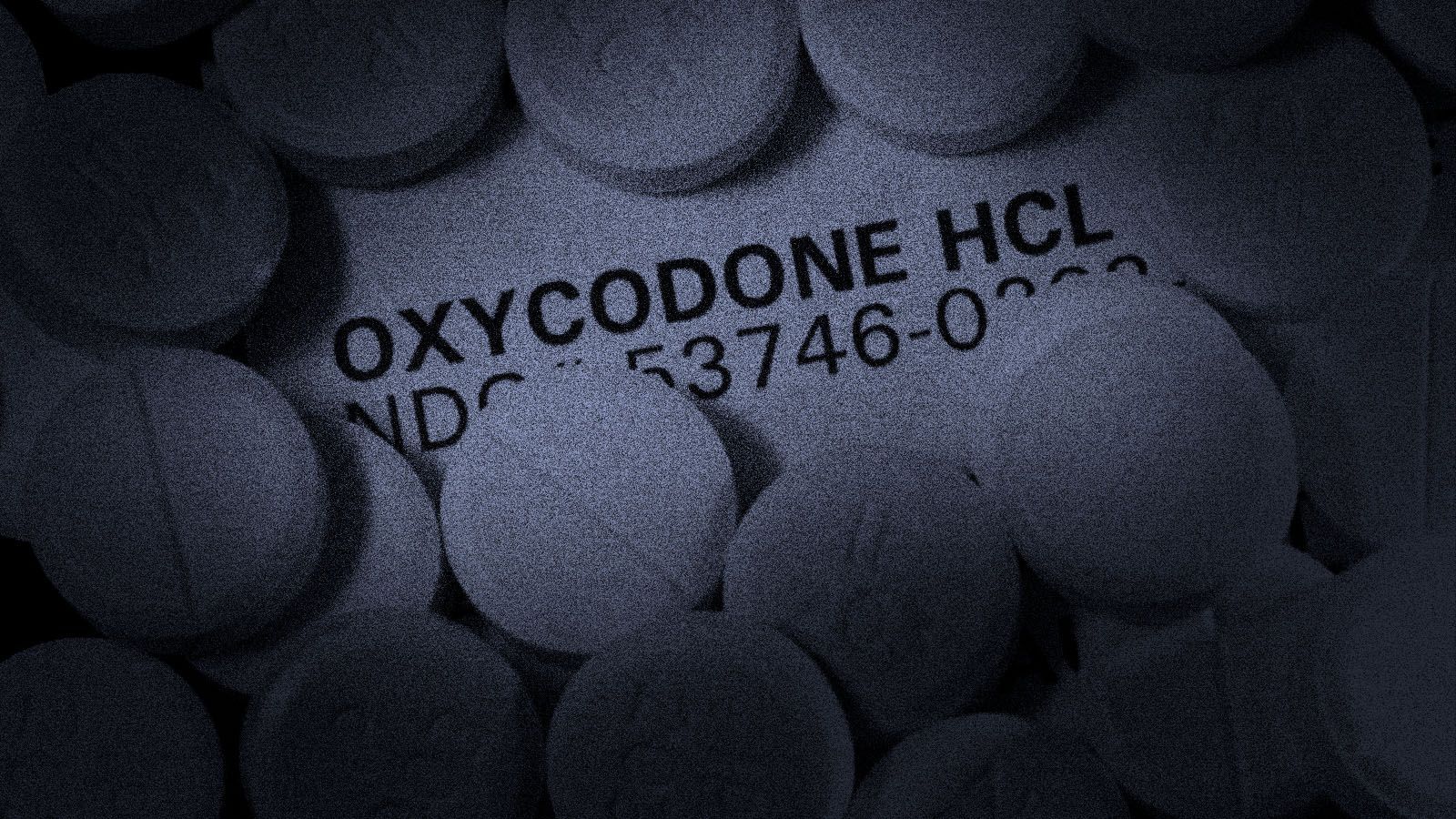
How Does Oxycodone Hydrochloride Work?
Oxycodone Hydrochloride is an opioid analgesic. It reduces the perception of pain by acting on opioid receptors in the central nervous system.
In addition to reducing pain, opioid activity can produce effects such as sedation and slowed breathing. These effects explain why oxycodone must be used carefully and exactly as prescribed.
The risk of serious respiratory depression is particularly important when treatment is started or when the dosage is increased.
Oxycodone Hydrochloride Tablets and Formulations
Oxycodone is available in different oral formulations. These may include immediate-release tablets and extended-release formulations, depending on the specific product and market.
These formulations should not be treated as interchangeable simply because they contain the same active ingredient.
Immediate-release oxycodone
Immediate-release oxycodone tablets are designed to release oxycodone more quickly and are used according to the prescribing instructions provided by the healthcare professional.
Extended-release oxycodone
Extended-release oxycodone products are designed to provide prolonged opioid delivery.
Extended-release tablets must be swallowed whole and should not be crushed, chewed, broken, or dissolved. Altering an extended-release tablet can cause too much oxycodone to be released at once and may result in overdose or death.
Always check the specific product label and prescription instructions before taking oxycodone.
Oxycodone Hydrochloride Dosage
There is no single oxycodone hydrochloride dosage that is appropriate for everyone.
The prescribed dose can depend on several factors, including:
- Severity of pain
- Previous exposure to opioids
- Individual response to treatment
- Age and overall health
- Other medicines being taken
- Kidney or liver function
- Risk factors for respiratory depression
- The particular oxycodone formulation being used
Current prescribing information emphasizes individualized dosing and careful titration because excessive opioid exposure can result in serious or fatal respiratory depression.
Patients should never increase their oxycodone dose, take it more frequently, or change the formulation without medical advice.
If a dose is missed, follow the instructions supplied with the specific prescription or contact a pharmacist or healthcare professional rather than taking an extra dose to compensate.
What Are the Effects of Oxycodone Hydrochloride?
The intended therapeutic effect of oxycodone is pain relief. However, because it acts on the central nervous system, it can also produce other effects.
Possible effects include:
- Pain relief
- Drowsiness
- Sedation
- Nausea
- Vomiting
- Weakness
- Tiredness
- Headache
- Constipation
The intensity of these effects varies between individuals.
Oxycodone can also cause serious effects, particularly when it is taken incorrectly, combined with certain substances, or used at an inappropriate dose.
Oxycodone Hydrochloride Side Effects
Common side effects reported with oxycodone include nausea, vomiting, headache, weakness, tiredness, and other opioid-related effects.
More serious adverse effects can include:
- Severe or prolonged drowsiness
- Difficulty breathing
- Slow breathing
- Long pauses between breaths
- Severe sedation
- Confusion
- Seizures
- Severe allergic reactions
- Overdose
Difficulty breathing, extreme sleepiness, or inability to wake normally can be signs of a medical emergency.
Oxycodone and Respiratory Depression
One of the most serious risks associated with oxycodone is respiratory depression, meaning breathing becomes dangerously slow or inadequate.
This risk can occur even when an opioid is used as prescribed and can be particularly significant when treatment begins or after the dose is increased.
Emergency medical assistance should be obtained if someone taking oxycodone develops severe breathing difficulty, unusually slow breathing, prolonged pauses between breaths, or extreme difficulty staying awake.
Oxycodone, Alcohol, and Other Medicines
Combining oxycodone with alcohol or other substances that depress the central nervous system can increase the risk of profound sedation, respiratory depression, coma, and death.
Important medication interactions can also involve benzodiazepines, other central nervous system depressants, and medicines that affect CYP3A4 metabolism.
Before taking oxycodone, patients should tell their doctor or pharmacist about all prescription medicines, over-the-counter medicines, supplements, and other substances they use.
Can Oxycodone Hydrochloride Cause Dependence or Addiction?
Yes. Oxycodone is an opioid and carries risks of addiction, abuse, misuse, physical dependence, and overdose.
These risks can occur even when the medicine is prescribed. Current labeling therefore recommends reserving opioid analgesics for situations in which alternative treatments are inadequate and emphasizes ongoing assessment of risk.
Physical dependence is different from addiction, although both can occur with opioid treatment. Someone who has been taking oxycodone regularly should not stop treatment suddenly without discussing an appropriate tapering plan with a healthcare professional.
Suddenly stopping regular opioid treatment can cause withdrawal symptoms.
Oxycodone Hydrochloride and Overdose
Taking more oxycodone than prescribed can cause a potentially fatal overdose.
Possible warning signs include:
- Very slow or stopped breathing
- Extreme sleepiness
- Inability to wake the person
- Unusual snoring or prolonged pauses in breathing
- Severe weakness
- Loss of consciousness
Naloxone is an opioid antagonist that can reverse opioid overdose when administered promptly. People prescribed opioids should discuss overdose prevention and whether they and their household should have naloxone available with their healthcare professional or pharmacist.
If an overdose is suspected, seek emergency medical help immediately.
How to Take Oxycodone Hydrochloride Safely
For safer use:
- Take oxycodone exactly as prescribed.
- Do not take a larger dose than prescribed.
- Do not take it more frequently than directed.
- Never share oxycodone with another person.
- Keep the medication in a secure location.
- Avoid alcohol unless your healthcare professional specifically tells you otherwise.
- Tell your doctor about other medicines and supplements you take.
- Do not crush or chew extended-release tablets.
- Do not suddenly stop regular opioid treatment without medical advice.
- Ask your pharmacist if you are uncertain about your particular tablet or dosing instructions.
Oxycodone should be stored securely because accidental ingestion can be dangerous, particularly for children.
Frequently Asked Questions About Oxycodone Hydrochloride Tablets
1. What is oxycodone hydrochloride used for?
Oxycodone hydrochloride is used to manage pain severe enough to require an opioid analgesic when alternative treatment options are inadequate. It is a prescription opioid and should be used according to a healthcare professional’s instructions.
2. What are the common side effects of oxycodone hydrochloride tablets?
Common side effects can include nausea, vomiting, headache, weakness, tiredness, drowsiness, and other opioid-related effects. Serious effects can include respiratory depression, severe sedation, allergic reactions, seizures, and overdose.
3. What is the correct oxycodone hydrochloride dosage?
The appropriate dose varies from patient to patient and depends on factors such as pain severity, previous opioid exposure, formulation, response to treatment, and individual risk factors. Oxycodone should be taken only at the dose and frequency prescribed by a healthcare professional.
4. Can oxycodone hydrochloride tablets be crushed or chewed?
The answer depends on the formulation. Extended-release oxycodone tablets should not be crushed, chewed, broken, or dissolved because doing so can release too much medicine at once and potentially cause a fatal overdose. Always check the specific product instructions.
5. Can oxycodone hydrochloride be taken with alcohol?
Alcohol can increase the sedating and respiratory-depressant effects of oxycodone and may increase the risk of serious or life-threatening complications. Patients should discuss alcohol use and all other medicines or substances with their healthcare professional.
Final Thoughts
Oxycodone hydrochloride is a powerful prescription opioid used for severe pain when alternative treatments are inadequate. Understanding its uses, effects, dosage considerations, side effects, interactions, dependence risks, and overdose warnings is important for anyone prescribed this medication.