
What is Obesity?
obesity treatment options U.S. obesity statistics show how common obesity is across different states and demographic groups, but population-level statistics do not determine which treatment is appropriate for an individual. For people researching what to do next, understanding available obesity treatment options can help them have a more informed conversation with a qualified healthcare professional.
Depending on individual circumstances, treatment may include nutrition and physical-activity strategies, behavioral support, medical weight management programs, prescription medications, or bariatric procedures.
Best Obesity Treatment Options
There is no single treatment that is best for everyone. A healthcare professional may consider factors such as BMI, existing health conditions, current medications, treatment history, potential contraindications, and personal goals.
Common approaches include:
-
Nutrition and dietary counseling
-
Physical-activity and behavioral interventions
-
Structured medical weight management
-
Prescription weight-management medications
-
Bariatric procedures for eligible patients
-
Long-term monitoring and follow-up care
Prescription medications can be particularly relevant for people who need additional medical support alongside lifestyle changes.
Wegovy for Weight Management
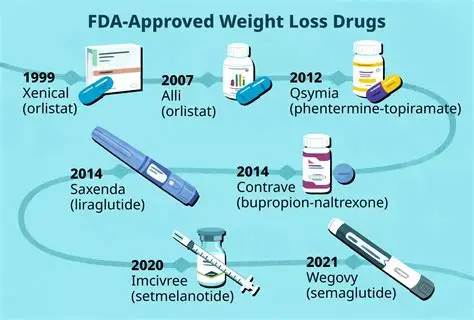
Wegovy (semaglutide) is a prescription medicine used with a reduced-calorie diet and increased physical activity for chronic weight management in eligible adults and certain pediatric patients. It belongs to a class of medicines known as GLP-1 receptor agonists.
One potential advantage of Wegovy is that it provides a once-weekly treatment option. Semaglutide also affects appetite and food intake, which can contribute to weight reduction in appropriate patients.
Clinical trials have demonstrated significant average weight loss with semaglutide in adults who meet the relevant treatment criteria. However, individual results vary, and treatment should be discussed with a healthcare professional.
People considering Wegovy should also understand its potential adverse effects, contraindications, warnings, and medication interactions. It is not appropriate for everyone.
Potential advantages of Wegovy
Depending on the individual and clinical circumstances, potential advantages may include:
-
Once-weekly administration
-
Appetite-related effects that can support reduced food intake
-
Evidence from clinical trials supporting its use for chronic weight management
-
Availability as part of a broader medical weight-management plan
Wegovy should not be presented as a standalone substitute for professional medical care or healthy lifestyle measures.
Phentermine for Weight Management
Phentermine is a prescription medication used for short-term weight reduction in conjunction with exercise and behavioral modification in appropriately selected patients. It is a sympathomimetic amine with pharmacologic activity similar to stimulant medications.
One of its characteristics is that it is generally used as a short-term treatment, unlike medications intended for long-term chronic weight management.
Phentermine uses
Healthcare professionals may prescribe phentermine as part of a short-term weight-management strategy for eligible patients. Its use should be based on an assessment of the patient’s health status, medications, and potential risks.
Phentermine is not appropriate for everyone. Because it can affect the cardiovascular and nervous systems, clinicians consider relevant medical history and contraindications before prescribing it.
Potential advantages of phentermine
When clinically appropriate, potential advantages may include:
-
An established role as a short-term prescription weight-management medication
-
Oral administration
-
Appetite-suppressing effects
-
Potential usefulness as part of a structured short-term weight-management plan
The medication also has important limitations and potential adverse effects. Patients should follow their prescriber’s instructions and discuss any concerns before starting or continuing treatment.
Wegovy vs. Phentermine
Wegovy and phentermine are different medications and should not be treated as interchangeable products.
| Factor | Wegovy | Phentermine |
|---|---|---|
| Active ingredient | Semaglutide | Phentermine |
| Medication class | GLP-1 receptor agonist | Sympathomimetic amine |
| Typical use | Chronic weight management in eligible patients | Short-term weight reduction |
| Administration | Once-weekly injection | Oral medication |
| Main mechanism | Influences appetite and food intake through GLP-1 activity | Appetite suppression through stimulant-like activity |
| Medical supervision | Required | Required |
| Suitability | Depends on individual medical factors | Depends on individual medical factors |
The choice between medications should not be based solely on expected weight loss. A healthcare professional can evaluate medical history, other medications, potential risks, treatment goals, and whether a particular medication is appropriate.
Medical Weight Management Programs
Medical weight management programs can provide structured support for people seeking professional help with obesity.
Depending on the provider, a program may include:
-
Medical evaluation
-
Review of health history
-
Medication review
-
Nutrition counseling
-
Physical-activity guidance
-
Behavioral support
-
Prescription treatment when appropriate
-
Monitoring and follow-up
A program may incorporate medication such as Wegovy or phentermine when clinically appropriate, but medication selection should be individualized rather than treated as a one-size-fits-all approach.
Obesity Treatment Cost
Obesity treatment cost varies according to the treatment approach, provider, location, medication, laboratory testing, insurance coverage, and length of care.
Potential expenses can include:
-
Initial consultation
-
Follow-up appointments
-
Laboratory testing
-
Prescription medications
-
Nutrition counseling
-
Behavioral support
-
Medical monitoring
-
Surgical treatment where appropriate
When comparing programs, ask providers for a complete breakdown of what is included in the advertised price.
Medical Weight Loss Cost
Medical weight loss cost can vary substantially between programs. A program involving regular consultations, laboratory monitoring, prescription medication, and ongoing support may have a different total cost from a consultation-only service.
Before enrolling, ask:
-
Is the initial consultation included?
-
What is the cost of follow-up appointments?
-
Is medication included?
-
Are laboratory tests charged separately?
-
Does insurance cover any portion of treatment?
-
Are there recurring membership or program fees?
Obesity Treatment Insurance
Obesity treatment insurance coverage varies by health plan and treatment.
Coverage for consultations, medications, laboratory testing, behavioral programs, and surgical procedures may differ. Some treatments may require prior authorization or specific eligibility criteria.
Patients should contact their insurer and healthcare provider to verify:
-
Whether obesity treatment is covered
-
Which providers are in-network
-
Whether weight-management medications are covered
-
Whether prior authorization is required
-
Applicable deductibles and copayments
-
Coverage limitations
Obesity Specialist Consultation
An obesity specialist consultation can help patients understand their treatment options based on their individual circumstances.
During an evaluation, a healthcare professional may review:
-
Medical history
-
Current medications
-
BMI and weight history
-
Existing health conditions
-
Previous weight-management approaches
-
Lifestyle factors
-
Potential treatment options
The goal is to develop an approach that takes the patient’s overall health into account.
Weight Management Consultation
A weight management consultation can be an appropriate starting point for people who want professional guidance.
Before an appointment, consider preparing a list of current medications, relevant medical conditions, previous treatment attempts, recent test results if available, and questions about treatment options and costs.
This information can help the healthcare professional evaluate which approaches may be appropriate.
Non-Surgical Obesity Treatment
Non-surgical obesity treatment may include lifestyle interventions, behavioral support, structured medical weight management, and prescription medications.
For eligible patients, medications such as Wegovy or phentermine may be considered as part of an individualized treatment plan. However, the medications have different indications, mechanisms, durations of use, and safety considerations.
People should discuss the potential benefits and risks of each option with a qualified healthcare professional before starting treatment.
Moving From Obesity Statistics to Treatment
State-level obesity statistics provide important information about population health, but they do not determine an individual’s diagnosis or treatment.
If you are researching weight-management options, consider discussing your medical history and goals with a qualified healthcare professional. They can explain available approaches, including lifestyle interventions, medical weight management, prescription medications, and other treatments that may be appropriate.
Explore Medical Weight Management
Is Wegovy one of the obesity treatment options available?
Yes. Wegovy (semaglutide) is a prescription medicine used with diet and physical activity for chronic weight management in eligible patients. Whether it is appropriate depends on individual medical circumstances and should be determined with a healthcare professional.
2. What is phentermine used for?
Phentermine is a prescription medication used for short-term weight reduction alongside exercise and behavioral modification in appropriately selected patients. It is not suitable for everyone, so a clinician should evaluate potential contraindications and risks before prescribing it.
3. What are the advantages of Wegovy compared with phentermine?
The medications work differently and have different approved uses. Wegovy is administered once weekly and is used for chronic weight management in eligible patients, while phentermine is generally used for short-term weight reduction. Comparing them solely by expected weight loss is inappropriate; factors such as medical history, contraindications, treatment duration, and individual circumstances also matter.
4. How much does medical weight loss treatment cost?
Medical weight loss cost depends on the provider, medication, consultations, laboratory testing, insurance coverage, and duration of treatment. Medication costs can also vary by insurance plan and pharmacy. Ask the provider and insurer for current, individualized pricing.
5. Does insurance cover Wegovy or phentermine?
Coverage varies by insurance plan and individual circumstances. Patients should check their specific policy to determine whether Wegovy, phentermine, consultations, or other weight-management services are covered and whether prior authorization is required.