
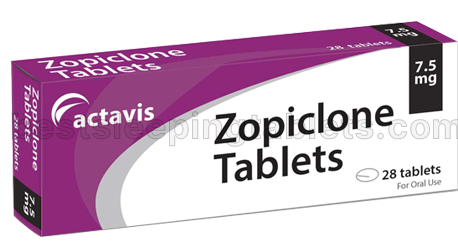
Accord Zopiclone 7.5 mg: Uses, Dosage, Side Effects in UK

What Is Zopiclone 7.5 mg?

zopiclone 7.5mg tablets is a prescription-only medicine used for the short-term treatment of insomnia in adults. It helps people who struggle to fall asleep, wake frequently during the night, or wake too early. In the UK, it should only be used under the supervision of a healthcare professional and is generally prescribed for a limited period due to the risk of dependence.

Uses of Zopiclone 7.5 mg

prescribe Zopiclone 7.5 mg for:

  • Short-term treatment of insomnia
  • Difficulty falling asleep
  • Frequent night-time awakenings
  • Early morning waking
  • Temporary sleep problems caused by stress or life events
  • Sleep disturbances that significantly affect daily functioning.

    How to Get Zopiclone 7.5 mg in the UK

    In the UK, zopiclone cannot be legally purchased over the counter. It is a prescription-only medicine.

    To obtain it legally:

    1. Book an appointment with an NHS GP or a registered private doctor.
    2. The clinician will assess your symptoms and medical history.
    3. If appropriate, they may issue a prescription.
    4. Fill the prescription at a registered UK pharmacy.

      How Does Accord Zopiclone Work?

      zopiclone 7.5mg tablets enhances the effects of gamma-aminobutyric acid (GABA), a naturally occurring neurotransmitter that helps reduce brain activity. This calming effect promotes sleep and can help improve sleep continuity.

      Many people begin to feel its effects within about 30 to 60 minutes after taking it.

      How Does Accord Zopiclone Work?

      zopiclone 7.5mg tablets enhances the effects of gamma-aminobutyric acid (GABA), a naturally occurring neurotransmitter that helps reduce brain activity. This calming effect promotes sleep and can help improve sleep continuity.

      Many people begin to feel its effects within about 30 to 60 minutes after taking it.

      Recommended Dosage of Zopiclone 7.5 mg

      Typical adult dosage:

      • Standard adult dose: 7.5 mg once daily, taken immediately before bedtime.
      • Older adults or people with liver impairment may be prescribed 3.75 mg.
      • Take only when you can dedicate a full night’s sleep.
      • Do not exceed the prescribed dose.
      • Treatment is generally limited to 2–4 weeks, including dose reduction when stopping.

        Effects of Zopiclone 7.5 mg

        Benefits

        • Faster sleep onset
        • Longer sleep duration
        • Fewer night awakenings
        • Improved sleep quality

        Common Side Effects

        • Metallic or bitter taste
        • Dry mouth
        • Daytime drowsiness
        • Dizziness
        • Headache

        Serious Risks

        • Dependence with prolonged use
        • Withdrawal symptoms if stopped suddenly
        • Memory impairment
        • Sleepwalking or other complex sleep behaviours
        • Reduced alertness the following day

        Patients are advised not to drive or operate machinery if they feel sleepy or less alert after taking zopiclone.

        Cost of Zopiclone 7.5 mg in the UK

        The amount you pay depends on how the medicine is supplied:

        • NHS prescription: Patients usually pay the standard NHS prescription charge if they are not exempt.
        • Private prescription: Costs include both the consultation fee and the pharmacy price for the medicine, which vary by provider and pharmacy.
        • Generic zopiclone is generally less expensive than branded versions.

        Avoid quoting fixed prices, as they can change over time and differ between providers.

        FAQs for Your Blog

        1. What is Zopiclone 7.5 mg used for?

        Zopiclone 7.5 mg is prescribed for the short-term treatment of insomnia in adults who have difficulty falling asleep or staying asleep.

        2. Is Zopiclone available over the counter in the UK?

        No. Zopiclone is a prescription-only medicine and cannot be legally bought over the counter in the UK.

        3. How quickly does Zopiclone work?

        It typically begins to work within 30 to 60 minutes, so it should be taken shortly before bedtime.

        4. How long can I take Zopiclone?

        Treatment is generally limited to 2–4 weeks, including tapering off if needed.

        5. Can I drink alcohol while taking Zopiclone?

        No. Alcohol can increase the sedative effects of zopiclone and raise the risk of serious side effects.

        6. Is Zopiclone addictive?

        It can lead to tolerance and dependence if used for longer than recommended, which is why it is prescribed for short-term use.

        7. What are the most common side effects?

        Common side effects include a bitter taste, dry mouth, drowsiness, dizziness, and reduced alertness the next day.

        8. Can older adults take Zopiclone?

        Yes, but a lower starting dose (often 3.75 mg) may be recommended to reduce the risk of side effects.

        9. Can I stop taking Zopiclone suddenly?

        If you have been taking it regularly, your doctor may recommend gradually reducing the dose to minimise withdrawal symptoms.

        10. What should I do if I miss a dose?

        Skip the missed dose and take your next dose at bedtime the following night. Do not take two doses in the same night


Tablets for Depression and Anxiety: Guide to Medications, Uses, Side Effects

What tablets are commonly used for depression and anxiety?

Tablets for Depression and Anxiety include antidepressants such as SSRIs (e.g., sertraline, fluoxetine) and SNRIs (e.g., venlafaxine). In some cases, doctors may also prescribe benzodiazepines for short-term anxiety relief.

How do tablets for depression and anxiety work?

These medications work by balancing brain chemicals like serotonin and norepinephrine, which help regulate mood, emotions, and anxiety levels over time.

How long do depression and anxiety tablets take to work?

Most antidepressant tablets take 2–6 weeks to show noticeable improvement, although some anxiety relief effects may be felt earlier depending on the medication.

What are the side effects of these tablets?

Common side effects may include nausea, dizziness, sleep changes, dry mouth, and fatigue. Side effects often reduce as the body adjusts to the medication.

How Guilt and Depression Interact

Guilt and depression have a deep relationship. Not only can depression cause excessive guilt, but feeling guilty all the time can also make depression worse.

Part of the relationship between depression and guilt lies in how depression affects the brain. Research has shown that in people who have experienced depression, two key brain regions don’t communicate as smoothly when they feel guilty.

  • One is the anterior temporal lobe, which stores your knowledge of social rules and what’s considered appropriate behavior.
  • The other is the subgenual region of the brain, which plays a major role in processing guilt, self-blame, and emotional pain.

In one study , participants imagined acting in ways that went against their values. People with a history of depression had a weaker connection between these two brain areas, which means the emotional response of guilt wasn’t matching up with the actual details of what they imagined doing. Researchers believe this disrupted link may explain why guilt in depression feels so broad and generalized.

Many people with depression also feel guilty about depression itself, which can create a vicious cycle. You may blame yourself for not getting better fast enough or think you should be able to “push through it.” You may compare yourself to others and tell yourself you shouldn’t feel depressed at all. If depression affects your energy or motivation, you may then feel guilty for not keeping up with responsibilities or relationships. This cycle can make the guilt feel even heavier.

“For people without depression, it does not make sense to feel guilty about having it. However, the reality is that people with depression see a lot of downstream effects of their condition. They may see they are not as present with their family, or that they’ve missed out on opportunities. Because of this, they may end up feeling guilty about their depression but also lack the motivation to seek help to improve the situation. If you or someone you love is struggling with depression, be sure to get in for care right away as it could be a turning point moment.”

Coping When You’re Depressed and Feeling Guilty

Guilt in depression can be persistent and painful. But there are ways to break the cycle and respond to guilt more gently.

Self-Kindness Scripts

Self-kindness is one of the key components of self-compassion. It means being understanding and gentle, rather than harsh and critical, toward yourself when you’re feeling guilty or inadequate. Practice speaking to yourself with kindness when you feel guilty, just like you would speak to a beloved friend.

For example, you can try repeating these lines to yourself:

  • I made a mistake. That doesn’t make me worthless.
  • I’m allowed to learn from this without tearing myself down.
  • I’m doing the best I can with what I have today.

Grounding & Pause Techniques

Mindfulness is another component of self-compassion. Taking a mindful approach to guilt means not pushing it away or judging yourself for it, but also not taking it on as a part of you. Don’t fight the guilt, but also don’t over-identify with it. Recognize it for what it is: just an emotion.

Simple mindfulness techniques can help you bring this practice into your everyday life. Try:

  • Breathing in and breathing out slowly, paying attention to how the air feels moving in and out of your nose.
  • Taking a brief pause when you first notice guilt coming up, and allowing yourself a moment to understand what triggered it before reacting.

Gentle Movement

Exercise can help in several different ways. Research shows that aerobic activity can reduce depression symptoms. So you may naturally start feeling your depression lifting — along with your guilt — when you exercise. Exercising might also help if you’re feeling guilty or unproductive due to the depression itself.

Don’t push yourself too hard. Remember that exercise is a form of self-love, not a form of self-punishment.

Journaling Prompts to Reframe Self-Blame

It can also help to write about your experiences. But be careful not to simply ruminate on whatever is making you feel guilty. Journaling can help you overcome excessive guilt through your intentional self-reflection.

Here are some prompts to use:

  • What part of this situation is actually my responsibility, and what part isn’t?
  • What would I say to a friend who was blaming themselves for this?
  • What do I need right now to move forward with more compassion for myself?

Healthy Support

Connecting with supportive people in your life can help you build a healthier self-image and understand when your guilt is inappropriate. This doesn’t necessarily need to be formal support like therapy (although some form of mental health treatment is needed to overcome depression). Just talking to your loved ones about your guilt may help you feel more at ease.

You might also consider joining support groups with other people who live with depression. This can be especially helpful if you experience guilt about depression itself. When you see that other people you admire also experience the same things you do, you might be able to treat yourself more kindly.


Evidence-Based Treatments That Reduce Guilt and Improve Depression

Excessive guilt is one of the core symptoms of depression — and depression can be treated. Many people recover from it every day with professional mental health treatment. You can learn how to manage your symptoms, including guilt, and get back to feeling like yourself again.

Cognitive-Behavioral Therapy (CBT)

CBT is one of the most effective treatment methods for depression . In this therapy method, you’ll learn how to identify and challenge irrational thinking patterns that cause you to feel worse. For example, you might have a thought, “I made a mistake. I deserve to be punished.” This thought may cause you to feel excessive or inappropriate guilt.

A CBT therapist can help you identify these thinking “traps” that you fall into. You might replace this thought with something more accurate and helpful, like: “I made a mistake. All I can do now is fix it and move on. One mistake doesn’t define my worth.” This is especially helpful when excessive guilt stems from childhood experiences. Some people saw these patterns in other family members, others faced disproportionate punishment or criticism — all these can contribute to increased self-blame and require new approaches to thinking about yourself.

Acceptance and Commitment Therapy (ACT)

ACT falls under the umbrella of CBT, but also uses concepts from mindfulness to help people with depression. It helps you learn how to stop fighting against your emotions and accept yourself, your feelings, and the world as they are. This can help you break the cycle of depression and guilt.

One study found that an ACT-based intervention helped to reduce chronic shame. Although they’re not exactly the same emotion, shame is highly linked with guilt: shame means feeling like something is wrong with you as a person, while guilt means feeling bad about a specific action or mistake. With guilt, you can still maintain a sense of being a generally good person.

Compassion-Focused Therapy

Compassion-focused therapy is another method derived from CBT. It helps you learn how to respond to yourself with warmth rather than criticism. Research has found that it’s effective for treating mood disorders like depression, especially if you live with high levels of self-criticism (like excessive guilt).

Antidepressant Medications

Some people may be recommended to take psychiatric medication alongside therapy. This combination has been found to be the most effective for treating depression. Taking medication is a personal decision, but also the one you make with a doctor’s guidance. If you have any questions or concerns about starting antidepressants, connect with an experienced provider at MEDvidi. You’ll have your symptoms assessed, get answers to your questions, and receive personalized treatment for depression online, including medication prescription, if deemed necessary.


What Are Tablets for Depression and Anxiety?

Tablets used for depression and anxiety are medications that help regulate brain chemicals such as serotonin, norepinephrine, and dopamine. These chemicals affect mood, stress response, and emotional stability.

They are typically prescribed when symptoms are moderate to severe or significantly affect daily life.


2. Main Types of Medications

SSRIs (Selective Serotonin Reuptake Inhibitors)

Common first-line treatment for depression and anxiety. They increase serotonin levels in the brain.

SNRIs (Serotonin-Norepinephrine Reuptake Inhibitors)

Used when SSRIs are not effective; affect both serotonin and norepinephrine.

Benzodiazepines

Fast-acting anti-anxiety medications used for short-term relief only.

TCAs (Tricyclic Antidepressants)

Older class of antidepressants, still used in specific cases.

Atypical Antidepressants

Used when other medications do not work or cause side effects.


3. How Long Do They Take to Work?

Most antidepressants take 2–6 weeks to show noticeable improvement. Anxiety relief may vary depending on the medication type.


4. Common Side Effects

  • Nausea
  • Fatigue or drowsiness
  • Sleep changes
  • Weight changes
  • Dry mouth
  • Temporary increase in anxiety at the start

5. Are These Tablets Safe?

When prescribed and monitored by a healthcare professional, these medications are generally considered safe. However, they may not be suitable for everyone and require regular follow-up.


6. Medication vs Therapy

Medication helps regulate symptoms, while therapy addresses thought patterns and coping mechanisms. Many treatment plans combine both approaches for best results.


7. Important Considerations

  • Never stop medication suddenly
  • Effects vary from person to person
  • Regular follow-up is important
  • Dosage may need adjustment over time

Conclusion

Tablets for depression and anxiety can be an effective part of treatment, but they work best when combined with professional guidance, therapy, and lifestyle support.


Get Support for Depression

Depression can turn everyday guilt into something heavier and more painful. The good news is that depression is treatable. With support, you can learn to understand these feelings of guilt and respond to them with more self-compassion. Book an appointment today to have a comprehensive mental health assessment and receive a personalized plan for depression treatment online.

The Causes, Symptoms, and Treatment of Comorbid Insomnia

What Is Comorbid Insomnia?

The easiest way to understand what comorbid insomnia is, is to look at the words separately.

Insomnia means you’re unhappy with your sleep patterns, and it’s affecting your daily functioning negatively. You might feel that you’re:

  • Not getting enough sleep (poor quantity)
  • Not sleeping deeply (poor quality)

Insomnia can present as:

  • Having difficulty falling asleep
  • Waking often during the night
  • Sleeping continuously for some hours, but waking too early in the morning

Comorbid means to co-exist, co-occur, or be present at the same time.

So, comorbid insomnia is insomnia that occurs alongside any other diagnoses.

The Link Between Comorbid Insomnia and Co-existing Conditions

Insomnia and other conditions co-occur in three scenarios:

  1. They are completely separate diagnoses: unrelated, but co-existing
  2. Insomnia may trigger the co-existing condition
  3. The condition could lead to comorbid insomnia

Let’s take a closer look at some diagnoses that are related to their comorbid insomnia.

“A lot of time patients are surprised to learn that insomnia is not always a standalone condition. Sometimes, it’s not simply due to difficulty sleeping but an underlying medical or psychiatric condition that is causing challenges either falling asleep or staying asleep. It’s important to make sure that a thorough approach is taken, looking at the whole picture of the patient and making sure that other suspicions are ruled out. “


Common Comorbidities Associated With Insomnia

Here is a list of comorbid conditions that are commonly linked to persistent insomnia.

Mental Health Conditions

Psychiatric or mental health conditions are the most frequent comorbidities in people with chronic insomnia. According to a study, about 8 out of 10 people[1] with a psychiatric diagnosis report sleep issues. Some common mental health comorbidities include:

  • Depression
  • Anxiety
  • Panic disorder
  • Bipolar disorder
  • Substance use disorder
  • Post-traumatic stress disorder

Neurological Disorders

Comorbid insomnia is common in many brain-related disorders[2] , due to nerve damage or direct effects on the circadian rhythm. Some examples are:

  • Alzheimer’s disease and other dementias
  • Parkinson’s disease
  • Epilepsy
  • Traumatic brain injury
  • Stroke
  • Multiple sclerosis

Often, having a neurological illness triggers anxiety and depression, which aggravate the sleep issues.

Chronic Pain

Many people with chronic pain, regardless of the cause, report disturbed sleep . Chronic pain/insomnia comorbidities cause a vicious cycle:

  • Physical discomfort interrupts sleep
  • Poor sleep quality intensifies pain; possibly due to brain-based[3] changes

A few chronic pain conditions associated with insomnia are:

  • Rheumatoid arthritis
  • Osteoarthritis
  • Fibromyalgia
  • Chronic headaches, including migraine and tension-types

Other Medical Conditions

Various medical conditions can lead to interrupted sleep due to symptoms such as frequent urination, difficulty breathing, or physical discomfort. Some illnesses associated with comorbid insomnia include:

  • Prostatic enlargement
  • Asthma and chronic obstructive pulmonary disease (COPD)
  • Diabetes
  • Heart failure
  • Gastroesophageal reflux disease (GERD)
“Comorbid insomnia is frequently overlooked; most of the time, the primary diagnosis gets the attention. An example would be acid reflux, where a patient complains of typical symptoms of burning, indigestion, and more symptoms after a heavy meal. However, it’s much less frequent that the corresponding poor sleep gets the attention it needs. The challenge is, most times insomnia is treated as a completely separate complaint. If the root cause is appropriately addressed, oftentimes, the insomnia can take care of itself if it is secondary insomnia. “

Insomnia itself might be a symptom of other sleep disorders .

  • Obstructive Sleep Apnea: Gasping or choking due to a blocked airway wakes the person repeatedly.
  • Nightmare Disorder: Bad dreams cause poor sleep quality because of fear.
  • Restless Legs Syndrome: An uncontrollable urge to move the legs makes falling asleep difficult.
  • Rapid Eye Movement (REM) Sleep Behavior Disorder: A vivid dream event causes sudden waking with movement or talking.
  • External Circadian Rhythm Sleep-Wake Disorders: Jet lag or shift work are examples of this.


When Insomnia Is Unrelated to Co-existing Conditions

When there is no link between insomnia and co-existing conditions, trouble sleeping is usually due to insomnia disorder. Simply put, if insomnia is not the cause or the consequence of another condition, then it’s pure, long-standing insomnia; even if you have another standalone health condition as well.

To officially be diagnosed with insomnia disorder , you need to have:

  • ✅ Dissatisfaction with your sleep patterns
  • ✅ Poor sleep for at least 3 months
  • ✅ Poor sleep at least 3 nights every week that is not better explained by another sleep-wake disorder or a co-existing physical or mental health condition
See a licensed healthcare provider online to get your symptoms assessed and receive personalized support.


Symptoms of Comorbid Insomnia to Look Out For

Let’s look at some symptoms of insomnia. If you’re having poor sleep quality or quantity, this could lead to:

  • Feeling unrefreshed in the morning
  • Experiencing daytime mental and physical fatigue, lethargy, and drowsiness

It makes sense then that if you’re mentally exhausted during the day, there will be knock-on effects , such as:

  • Difficulty concentrating
  • Memory problems
  • Making mistakes
  • A higher risk of accidents
  • Mood changes

It is also critical to look out for symptoms of conditions that might lead to or be triggered by comorbid insomnia.


Can Medications Cause Insomnia?

Unfortunately, while treating one condition, some medications may affect our sleep cycles and cause insomnia. There are many reasons why this happens. For instance, they might stimulate the brain or affect neurotransmitters that impact sleep. In some cases, insomnia is a medication’s side effect, with no clear explanation.

Examples of medications that can cause insomnia include:

  • ADHD Stimulants: Ritalin (methylphenidate), Adderall (amphetamine and dextroamphetamine), and Vyvanse (lisdexamfetamine).
  • Selective Serotonin Reuptake Inhibitors (SSRIs): Prozac (fluoxetine), Paxil (paroxetine), and Zoloft (sertraline).
  • Steroids: Prednisone
  • Beta-Blockers: Propranolol (Inderal), used to treat high blood pressure and anxiety, can cause insomnia for some people.

However, everyone responds to medication differently, and insomnia is not an inevitable effect. If you suspect your trouble sleeping is associated with a new medication, talk with your healthcare provider about possible solutions.


Comorbid Insomnia Treatment and Prevention

Treating comorbid insomnia can be challenging because if a co-existing diagnosis triggers it, that condition needs to be treated first to improve sleep quality. But sometimes, it can be difficult to determine which comorbidity causes the other, which is why it is essential to see a healthcare provider for a workup.

Before that, you can try a few proven sleep hygiene[8] tricks to reduce the risk of and prevent comorbid insomnia:

  • Avoid caffeine intake after lunchtime.
  • Go to bed and wake up at the same time every day.
  • Get physically active, but not close to bedtime.
  • Don’t use mobile phones, watch television, or work in bed.
  • Ensure your bedroom is quiet, dark, and cool.
  • Listen to relaxing music, read a book, or have a warm bath to wind down before bedtime.

For all types of insomnia, even if a chronic illness causes it, therapy is the first-line treatment[9] .

Read more: Sleep Hygiene: What It Is, Why It Matters, and How to Improve It

Cognitive-Behavioral Therapy (CBT)

CBT is very effective for treating sleep disturbances. Commonly used CBT techniques for resolving sleep problems include:

  1. Cognitive Restructuring: A therapist helps you identify and reduce worrying thoughts that are associated with and cause disrupted sleep patterns.
  2. Sleep Restriction: A therapist will ‘prescribe’ a sleep schedule after reviewing your sleep diary, reducing the time you spend in bed to the actual number of hours you spend sleeping.
  3. Stimulus Control: People with insomnia start to fear bedtime, and this actually triggers the fight-or-flight response. When this happens, it helps to move out of the bedroom until you are sleepy again, helping you to associate your bed with comfort and relaxation rather than stress.

Relaxation Techniques

Based on the idea that anxiety prevents sleep, these strategies are recommended because they are known to calm the fight-or-flight response.

  1. Deep Breathing: Because focusing on your breathing helps reduce anxiety, it could promote sleep . There are many benefits of slow, deep breathing for the mind and body.
  2. Progressive Muscle Relaxation: Releasing tension from all joints and major areas of your body one by one may help you fall asleep faster.
  3. Mindfulness Meditation: Facilitates sleep by improving emotional regulation and reducing anxiety.

Medication

If CBT, relaxation, and sleep hygiene are slow to work, a healthcare provider might recommend short-term medication for comorbid insomnia. The FDA has approved the following prescription medications:

  • Sedative hypnotics (nonbenzodiazepines)
  • Benzodiazepines
  • Tricyclic antidepressants
  • Melatonin agonists
  • Barbiturates

Even though there are over-the-counter options like Benadryl (diphenhydramine) and Unisom (doxylamine), you should consult with a medical provider before taking them. Remember, it’s important to identify the comorbid insomnia trigger if there is one.


In Conclusion

Successfully treating comorbid insomnia requires targeting the sleep issues and the co-existing condition. This is why professional support is essential to optimize a personalized treatment plan for comorbid insomnia. If you want to discuss your symptoms in more detail and get a personalized treatment plan for insomnia online, contact licensed medical providers at MEDvidi by booking an online appointment.

Address

9066 Green Lake Drive Chevy Chase, MD 20815

Whatsapp Us

+39 06 84 00 3930

info@medixshops.com

Pharmaceutical Pill Counter

Medix Shops is proud of being a best Pharmacy Online shops in USA with high-quality medicines, supplements, healthcare product, …

Product categories

Our Payment Partners :

Copyright © 2026 Medixshops. All Rights Reserved.

Add to cart